

A Practical Guide to Sportsignal Schlagzeilen for Readers
Understand how to follow and use Sportsignal Schlagzeilen effectively for daily news. Clear steps, practical tips, and common pitfalls explained.

Many readers want reliable, fast information about daily sports headlines. This guide explains what Sportsignal Schlagzeilen is, how it can be useful for staying informed, and how to verify and use it in reporting or daily consumption. The aim is a clear, practical approach that helps you separate facts from hype.
You’ll learn how to spot credible headlines, reproduce essential details, and decide when to seek more context. The steps are designed for everyday readers, not specialists, so you can act on what matters without wasting time.
By the end, you’ll know when to check a headline against the story, how to save key notes, and where to find balanced coverage that adds value to your news routine.
- Sports headlines offer a quick read of what happened in sports and why it matters. Verify credibility by cross-checking sources and looking for official statements. Use headlines to guide deeper reading, not to replace it.
- Track updates and corrections, especially on developing stories, to maintain accuracy over time. Store essential facts in a notes file for easy reference.
- When reporting, translate headlines into clear, balanced summaries that reflect verified details and multiple viewpoints. Present data with context and cite sources for transparency.
Understanding the basics
What the tool does
Start with the purpose of Sportsignal Schlagzeilen: to summarize daily sports news into concise headlines. This helps you gauge what matters at a glance and decide whether to read further. Think of it as a first filter for your sports news intake.
The headlines are designed to capture core facts, not opinion, so you can quickly assess relevance. Look for terms that signal updates, results, or changes in status, such as scores, transfers, or injuries.
Be mindful that a headline may omit context; plan to verify details in the full story if the topic affects your understanding or actions.
- Focus on the main fact
- Check dates and teams
- Note if results are provisional
- Look for subsequent updates
What to watch in headlines
Crucial signals in headlines include scorelines, player names, and competition names. These cues tell you what happened and where it matters. For busy readers, such signals help you decide quickly whether to follow a link or save the article for later.
Be aware of misleading phrasing that overstates certainty. When a headline uses words like 'likely' or 'report suggests,' it signals the need to read the body for confirmation.
If a headline mentions a controversial claim, look for a note about sourcing and whether the article links to official results or statements.
Verifying credibility

Check the source
Always note the outlet publishing the headline and compare it with other reputable sources. Cross-checks reduce the risk of repeating a single perspective or faulty information. A useful resource on this topic: Event veröffentlichen in Deutschland.
Examine whether the piece cites official results, league announcements, or direct quotes from involved parties. Without solid sourcing, treat the claim as preliminary.
If you can, confirm with a second source that has no obvious bias to ensure a balanced view of the event.
- Cross-reference with league sites
- Look for official statements
- Prefer primary sources
- Avoid echo chambers
Handling updates
Sports results and standings can change rapidly; headlines may lag behind or misstate a developing story. Track updates by revisiting the same topic across fresh stories to capture new facts.
Note when a headline reflects initial reports that later proved incomplete. In such cases, follow-up pieces typically correct or clarify earlier claims.
Develop a habit of bookmarking key topics and revisiting them as updates arrive to maintain an accurate understanding.
- Monitor for corrections
- Watch for follow-up stories
- Maintain a short notes file
- Revisit key topics regularly
Using headlines in reporting
Translating headlines into context
Use headlines as a prompt to locate the full article and extract essential facts for your own writing. Don’t copy wording; restate the facts clearly and accurately. A useful resource on this topic: Unternehmen eintragen in Deutschland.
- Over-quoting headlines
- Skipping verification
- Ignoring missing context
Identify the who, what, where, and when from the full article. This helps you summarize for audiences who need a concise briefing or quick background.
If the angle matters to readers, note what’s missing in the headline and fill the gap with verified details from the body.
- Extract key facts
- Paraphrase accurately
- Fill gaps with verified details
| Aspect | Strength | Limitations |
|---|---|---|
| Data clarity | High for specific facts | May lack context in isolation |
| Source transparency | Builds trust | Requires ongoing verification |
| Narrative impact | Helps reader comprehension | Risk of oversimplification |
Plain language and balance
Present information in plain language that a broad audience can understand. Avoid sensational phrasing that distorts the stakes or outcomes.
Offer balanced framing by including multiple viewpoints when relevant and citing official results or statements.
End with a neutral takeaway that helps readers decide whether to seek more information.
- Use simple terms
- Cite official results
- Avoid hype
- Provide neutral takeaway
Present data in a way that’s easy to scan, using short summaries or bullet lists where possible.
Engaging with sports data
Where data helps readers
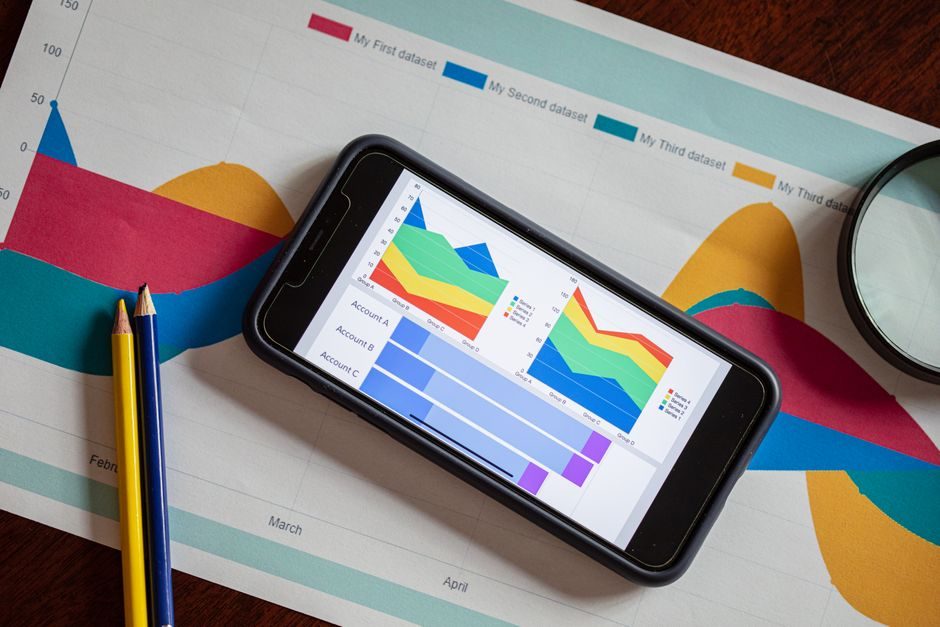
Data points like standings, schedules, and injury reports give readers a factual backbone. They illuminate why a headline matters and how events connect to longer trends. A useful resource on this topic: Anzeige schalten in Deutschland.
Present data in a way that’s easy to scan, using short summaries or bullet lists where possible. This helps readers form a quick, informed view.
Be precise about what is changing and what remains the same, avoiding assumptions about future outcomes.
- Highlight key numbers
- Keep context concise
- Explain relevance clearly
Citing sources for numbers
Whenever you reference specific figures, identify the source and date. This transparency builds trust with readers who want to verify facts themselves.
If figures are provisional or disputed, say so and point to where a reader can check the latest official update.
Avoid inflating the importance of data; present it as evidence within a broader narrative.
- Name sources
- Use dates
- Note provisional status
Ethical considerations
Editorial responsibility in headlines
Editors must balance speed with accuracy, ensuring that headlines do not mislead readers about the content of a story. Reporters should avoid sensational language and verify claims before publication, especially in sports contexts where rumors can spread quickly. When in doubt, seek corroboration from multiple sources and provide clear context within the article. A useful resource on this topic: Beileidsanzeige in Deutschland.
The ethical core is transparency: disclose any limitations in a report and distinguish between fact and opinion. Readers rely on headlines to set expectations, so precision matters more than clever phrasing. If a headline risks misinterpretation, revise it to reflect verified information.
Publishers should establish standards for corrections and updates, and readers should see when information was last verified. In practice, this means updating headlines or adding clarifications promptly if new facts emerge. This discipline protects credibility and supports informed audiences.
- Verify facts before publishing
- Avoid exaggerated language
- Disclose uncertainties when present
- Update headlines if facts change
Audience empowerment

Empowering readers with context
Providing context helps readers understand why a headline matters. When covering sports signals, explain how data is sourced and what it implies for credibility and decision-making. Concrete examples, like how a trend in a league affects teams, help readers assess value and relevance.
- ☐ Provide concrete reasons why a headline matters.
- ☐ Show the data source and its limits.
- ☐ Suggest ways readers can check the facts themselves.
Context also means guiding readers on how to verify information themselves. Suggest trustworthy sources, show when information is provisional, and describe potential biases in data presentation. This approach turns passive readers into active evaluators.
Finally, invite reader feedback and questions to improve coverage. Acknowledging uncertainty and offering avenues to learn more builds trust and loyalty over time.
- Offer practical context
- Invite reader input
- Highlight data sources
- Explain potential biases
Platform differences
Different formats, same standards
Different platforms demand different storytelling styles. On mobile, concise lines and scannable subheads help readers grasp the gist quickly. Longer, more detailed follow-ups belong in the main article or linked reports.
Desktop layouts can accommodate richer context, embedded data, and supplementary graphics. Writers should adapt without compromising accuracy or clarity. Platform-specific formats must still meet the same journalistic standards for truthfulness and fairness.
Publishers should test headlines across devices to ensure consistency and avoid misinterpretation due to truncation or scrolling effects. Clear language, careful word choice, and robust sourcing remain essential across formats.
- Adapt length to device
- Use clear subheads
- Preserve sourcing integrity
- Ensure consistent messaging across platforms
Future trends
Anticipating technology shifts
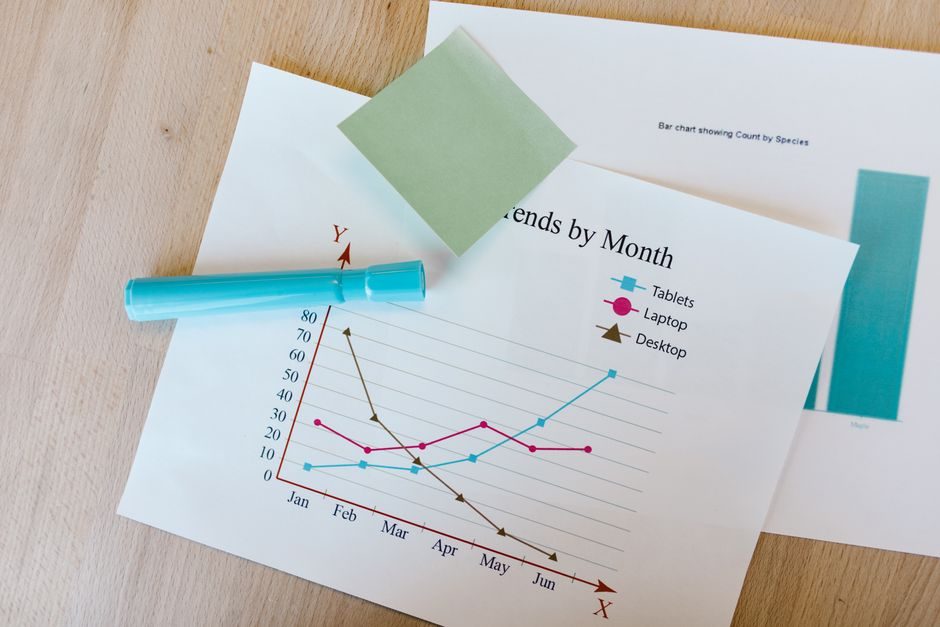
Newsrooms increasingly rely on data visualization to accompany headlines, making complex signals easier to understand. Journalists should learn basic visualization concepts to describe what readers see and why it matters. This helps prevent misinterpretation of charts or graphs.
As automation grows, editors must guard against overreliance on algorithms for headline generation. Human oversight remains crucial to preserve nuance, avoid bias, and ensure that a headline aligns with the story’s intent.
Investing in training for staff on data literacy and ethics helps maintain credibility. Readers benefit when reports explain the limits of data and the rationale behind each headline.
- Use visuals to clarify, not confuse
- Maintain human oversight of automated processes
- Invest in data literacy training
- Explain limitations of data visuals
Frequently asked questions
What is the best first step when you read a breaking sports headline?Check the date and source, then read the full article for context. If information is uncertain, look for corroboration from two or more outlets before concluding.
How should a reader evaluate data-driven claims in headlines?Look for the data’s origin, the sample size or scope, and any caveats. If the article notes uncertainty, treat the claim as provisional rather than definitive.
What if a headline seems sensational but factual?Assess whether the language emphasizes impact without overstating outcomes. Seek additional context in the body of the report before sharing.
Why do corrections matter for trust?Corrections show commitment to accuracy and accountability, helping readers trust the publication even when initial reports are imperfect.
Final takeaways and next steps
Readers should apply a simple checklist: verify, contextualize, and verify again. This habit protects against misinformation and supports informed engagement with sports news.
Editors and readers share responsibility for accuracy. By prioritizing sourcing, transparency, and careful phrasing, coverage remains trustworthy during fast-moving events. The next step is to read beyond headlines and examine the full article for context and data notes.

Add Daily News as a preferred source on Google


