

Getting through daily work in Espoo: practical guidance
A clear, practical guide for navigating Tas and daily tasks in Espoo’s work scene, with step-by-step tips, common pitfalls, and smart options for readers.

Many readers want a practical path to thriving in Espoo’s daily work life. This guide offers concrete steps, real-world examples, and a clear sense of what to expect as a worker in the city.
It breaks down the basics, then moves toward actionable strategies you can apply this week, without hype or guesswork.
By the end you’ll know where to find reliable information, how to plan your day, and how to choose the best routes through everyday work tasks.
- This guide gives practical steps to manage daily work life in Espoo, from routines to transit planning.
- Readers learn how to plan, communicate, and adapt using clear examples and checklists.
- Each section includes concrete actions and a simple box of warnings, steps, or tips to apply now.
Basics of local work life
What to know first
Start by understanding where Espoo’s job opportunities cluster, and which sectors dominate the local market. This helps you set realistic expectations about roles and competition. You can map nearby businesses, schools, and healthcare settings to identify likely employers. Työelämä Espoossa is a phrase that anchors local work-life discussions for newcomers.
- Know the top local industries
- Identify common entry paths
- Observe shift patterns
- Note language requirements
- Track nearby commute options
Finding reliable local sources
Turn to official municipal sites, public libraries, and community centers for current work-life information. These sources often publish job fairs, training programs, and labor-law updates that matter for daily routines.
Use a simple method to verify news: cross-check with at least one independent outlet, and note dates of any changes to rules or hours that affect your schedule.
How to plan a workday
Setting a practical routine
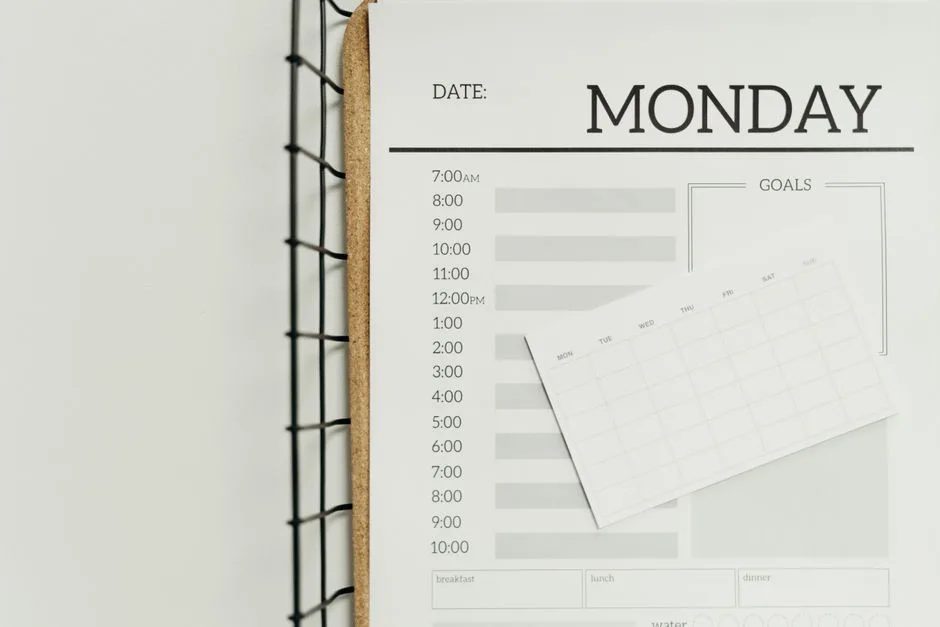
Create a consistent wake-up time, a fixed morning preparation window, and a simple route to your first location. A stable rhythm reduces stress and helps you handle unexpected delays.
- Identify your first destination
- Pack essentials the night before
- Check transit status before leaving
- Start with a small, manageable task
Include a 15-minute buffer for transit or last-minute tasks; small delays compound quickly, especially in dense urban areas.
- Fixed wake-up time
- Buffer for transit
- Two backup task ideas
Managing interruptions
Interruptions are inevitable; plan to neutralize them with a quick triage. Decide whether a task needs immediate attention or can wait until your next break.
Use a visible to-do list and update it on the fly so you preserve momentum rather than chasing loose ends.
- Use a timer for focused work
- Keep a short mid-day review
- Highlight high-priority tasks
Options for building a daily routine
Transportation choices
Espoo offers multiple options: bus, train, cycling, and walking. Choose the option that minimizes total time and fatigue for your typical routes.
- ☐ Check transit times
- ☐ Test a new route on a weekend
- ☐ Pack for weather
- ☐ Have a backup plan
Consider a flexible schedule with an earlier or later shift window if your employer allows, to avoid peak transit crowds.
- Public transit
- Bike routes
- Car share alternatives
| Option | Pros | Cons |
|---|---|---|
| Public transit | Low cost; quiet during off-peak | Crowded at peak; reliability can vary |
| Bike commuting | Fast door-to-door for many routes | Weather dependent; storage may be limited |
| Car-sharing | Flexible timing; private space | Costs can add up; parking issues |
Putting routines in writing
A simple written plan anchors your day and makes it easier to communicate expectations at work. Share a concise schedule with your supervisor when needed.
Review the plan every week and adjust based on results and any changes in your commute or tasks.
Avoid overloading your day with back-to-back tasks; it reduces accuracy and increases stress when something takes longer than expected.
Common pitfalls to avoid

Red flags in daily planning
Avoid overloading your day with back-to-back tasks; it reduces accuracy and increases stress when something takes longer than expected.
Don’t skip a midday review; gaps grow if you ignore progress and deadlines.
Be wary of unreliable information sources about local work practices; always verify with official channels.
- Over-scheduling
- Skipping reviews
- Relying on rumors
Misjudging transit times
Transit times vary with weather and events; always check real-time updates before leaving.
Plan for variations by starting earlier or choosing a more reliable route option when deadlines are tight.
Adjusting to new roles
Bridging duties and expectations
Starting a new role requires clear communication about duties and success metrics. Outline what success looks like in the first 30 days with your supervisor to avoid scope creep. Ask for examples of typical tasks and daily routines to align with team norms.
Regular check-ins help map progress and surface blockers early. Use these conversations to confirm priorities, clarify reporting lines, and adjust workload before minor issues become delays.
Avoid assuming prior experience covers everything; request training resources and a short, practical onboarding checklist to speed up the adjustment.
- Clarify top three priorities
- Ask for a practical onboarding checklist
- Schedule regular progress chats
Support networks in Espoo

Finding workplace allies and mentors
Identify colleagues who handle similar tasks or who mentor newcomers. Reach out with a specific question and offer to share a short update after applying their advice.
Join team forums, Slack channels, or weekly roundups to stay visible and informed. Consistent participation builds trust and expands informal support.
When you hit a roadblock, ask for a quick walkthrough from someone who has done the task successfully. This reduces trial-and-error time and improves accuracy.
- Seek a designated mentor
- Participate in team conversations
- Ask for walkthroughs rather than vague help
Utilizing local resources in Espoo
Espoo offers community spaces and professional groups that can shorten the learning curve. Attend a local coworking session or a career workshop to observe how others structure their day. These environments provide practical tips you can adapt to your job tasks.
Build a small network of colleagues from adjacent teams who can share quick insights on common tools and processes. Short, informal chats often yield more practical hints than formal training.
Keep notes on what works for you in Espoo’s environment, including transit timing, quiet zones, and preferred meeting formats. This makes your daily routine smoother over time.
Technology tools for productivity
Choosing the right apps for work
Select a core set of tools for task management, notes, and communication. Prioritize cross‑platform compatibility so you can work from office, home, or transit without disruption.
- Choose core tools
- Create task templates
- Review permissions
Set up simple templates for recurring tasks and meetings to reduce repetitive setup. This saves minutes that add up over a week.
Keep your software updated and review permissions to ensure data stays accessible but secure.
- Use a single task manager
- Adopt meeting templates
- Audit access rights
Training and onboarding strategies
Engage with onboarding materials early and complete practical tasks that mirror your daily work. Hands-on practice helps retention more than passive reading.
Request short, goal-oriented micro‑trainings on essential tools. Learning in small chunks keeps you progressing without overload.
Document a personal playbook that describes your routine, preferred shortcuts, and which resources to consult for common questions.
- Complete hands-on tasks
- Ask for micro-trainings
- Create a personal playbook
Legal basics for workers

Contracts and worker rights
Understand your contract’s core terms: hours, break rules, and pay cycles. If anything feels unclear, request a concise summary from HR and keep a copy of the official document.
Know your minimum protections for safety, non-discrimination, and fair treatment. If you suspect a violation, document instances and seek guidance from a qualified advisor.
Be aware of local regulations that govern freelance or temporary work if applicable; these distinctions can affect benefits and protections.
- Review hours and pay
- Request clear summaries
- Document concerns
Workplace safety and compliance
Learn the basics of your organization’s safety policies and reporting channels. In Espoo, safety procedures should be accessible and updated. Practice proper incident reporting and know whom to contact during emergencies.
Maintain a tidy, hazard‑free workspace and use approved equipment. Regular checks of safety gear and file backups help prevent avoidable problems.
Understand data protection rules relevant to your role, especially when handling sensitive information or customer data.
- Know reporting lines
- Keep a clean workspace
- Follow data protection rules
Frequently asked questions
How soon should I ask for clear success criteria?Ask within the first week of starting a new role. A brief conversation about expected outcomes and a practical onboarding checklist helps you prioritize tasks and manage expectations. Regular check-ins then keep you on track.
What if I can't access essential tools from home?Report access issues to IT or your supervisor and outline the impact on deadlines. Temporary alternatives, like a secure mobile workspace or offline notes, can keep you moving while access is restored.
How do I build a support network quickly?Identify one or two colleagues who regularly handle related tasks and request quick walkthroughs. Join team chat channels and offer brief status updates; consistency builds reliable connections.
Are there legal steps if I feel my rights are not respected?Document dates, incidents, and participants, then seek guidance from HR or a worker’s rights advisor. Clear records support constructive conversations and, if needed, formal escalation.
Next steps for steady progress
With a practical plan, you can turn early feedback into steady improvement. Use your onboarding checklist as a living document and adjust it as you learn what works in Espoo’s offices and transit patterns.
By building reliable routines, you create a stable baseline for performance and collaboration. Schedule a follow‑up with your supervisor to review progress and set a two‑month target that reflects your growing role.
Add Daily News as a preferred source on Google


