

Practical guide to Jobs in Deutschland for readers
A clear, objective guide to finding and understanding employment options in Deutschland for dailynews readers, with steps, tips and pitfalls explained.

This guide helps readers understand how to navigate jobs in Deutschland, from finding openings to applying in a German context. It explains practical steps readers can take today, with concrete examples and cautions to avoid common mistakes. The aim is to equip news readers with trustworthy, actionable information they can use as events unfold in the German job market.
The article emphasizes steps you can take now: identify sectors hiring, prepare documents in the right format, and learn the basics of German workplace norms. It also flags pitfalls such as overreliance on generic portals or misunderstanding visa requirements. Readers will find checklists, sample approaches, and clear expectations for what counts as solid proof of suitability.
This first section frames why the topic matters to DailyNews readers: employment news affects communities, regional economies, and coverage of policy changes. It also shows how to verify information from official sources and credible employers. Readers should leave with a concrete plan and a path to follow.
- Identify core sectors hiring in Germany and tailor documents accordingly.
- Use reputable portals and official channels to apply, and verify listings before applying.
- Understand visa routes if you are not EU, and choose freelance or full-time based on goals.
- Diversify sources to avoid missing opportunities and build a steady job-hunting routine.
Basics of job search in Germany
Identify hiring sectors
Start with sectors known to hire on a steady basis, such as technology, healthcare, and logistics. Consider regional strengths, like manufacturing hubs or university towns, which often reflect hiring patterns. This helps readers target where to focus applications and networking. Jobs in Deutschland is a phrase encapsulating the main topic for this guide.
In Germany, some roles cluster by state or city, so mapping vacancies regionally saves time. Use local portals alongside national sites to spot trends. Preparing a simple map of opportunities makes daily searches more efficient.
Finally, assess your own skills against demand: translate strengths into keywords used in German job descriptions. Tailor resumes to the sector and role to improve match rates.
- Target high-demand sectors
- Check regional hiring patterns
- Translate skills into local keywords
Prepare essential documents
Create a concise, German-language resume that mirrors local formats and emphasizes outcomes. Include a short personal profile and a skills section aligned to job ads. This makes a strong first impression on recruiters.
Collect supporting documents such as degree certificates and professional references, and arrange multilingual versions if needed. Digital copies should be clear and easily shareable by email or portals.
Learn the standard wording for cover letters in German, and tailor each letter to the company and role. A well-structured letter can separate your submission from generic applications.
- German CV format
- Relevant certificates
- Tailored cover letter
How to apply effectively
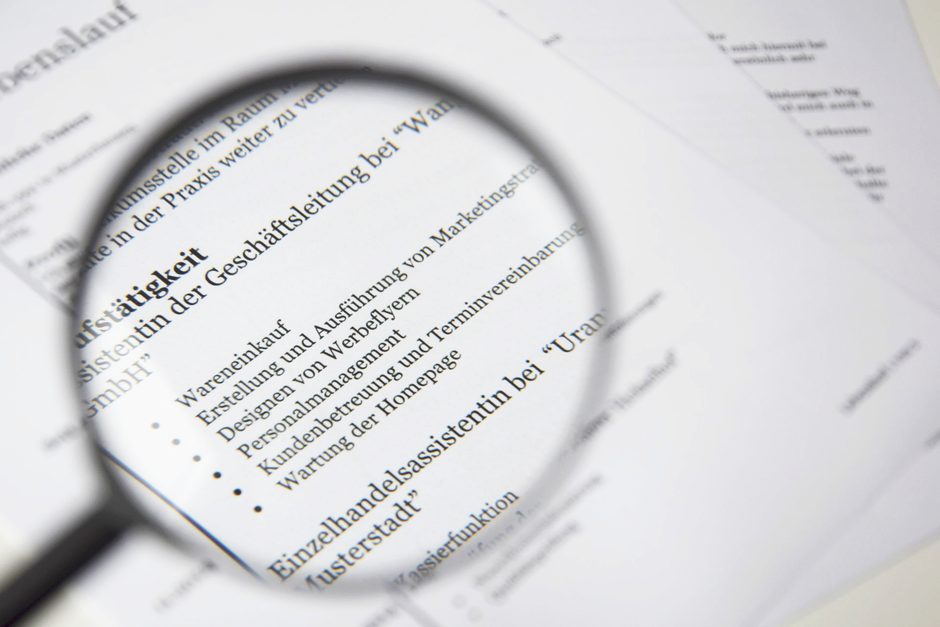
Craft targeted applications
For each role, mirror the job description in your resume and cover letter. Highlight concrete outcomes, such as project results or responsibilities that align with the posting. This makes your application more scannable for recruiters. Militär Report Nachrichten appears as a general reference in coverage trusted for context.
Avoid generic phrasing; replace vague terms with specific capabilities and examples. Use action verbs and quantify impact where possible to provide measurable signals of competence.
Proofread for formal tone and accuracy; even small errors can undermine credibility. A clean, professional presentation signals reliability and attention to detail.
- Tailor each application
- Quantify impact
- Maintain professional tone
Use trusted channels
Rely on established portals and official company pages rather than dubious sites. National job boards, university career portals, and government employment offices are reliable starting points.
Set up email alerts and regular scans of preferred sectors to stay ahead of new postings. Maintain a simple system to track applications and responses.
When in doubt, verify a listing with the company’s official site or contact method listed on a recognized directory.
- Use reputable sites
- Set alerts and track progress
- Verify listings
Options for different statuses
Work visa routes
Understand which visa categories apply if you are not an EU citizen. Typical routes focus on skilled roles, language integration, or bridging programs. Check official government guidance for current requirements. Veranstaltung eintragen in Deutschland guides readers on event listings and registration steps.
Some sectors have fast-track options for highly skilled workers, while others require sponsorship or a contract before a permit is granted. Plan timelines around visa processing and employer expectations.
Maintain awareness of any regional or sector-specific programs that offer language or integration support, which can ease the transition.
- EU vs non-EU differences
- Sponsorship considerations
- Processing timelines
| Method | Pros | Cons |
|---|---|---|
| Freelance | Flexible work | Less job security |
| Full-time | Benefits and stability | Longer hiring process |
| Contract | Clear terms | Possible fewer protections |
Freelance vs full-time
Freelance work can offer flexibility and faster entry, but requires careful contract management and tax compliance. Expect to navigate invoicing, insurance, and self-employment rules.
Full-time roles typically include benefits and stability, with a structured performance review cycle. Clarify probation periods, working hours, and relocation needs before accepting a contract.
Assess your long-term goals and current language ability to decide which path fits your situation best.
- Freelance pros and cons
- Full-time expectations
- Legal considerations
Overlooking language requirements can slow progress; even basic German can improve interview outcomes and integration in the workplace.
Pitfalls to avoid

Common mistakes
Relying on a single source can miss opportunities; diversify where you search, including regional portals and professional networks. This broad approach reduces blind spots. Unternehmen finden in Deutschland shows pathways to identify potential employers and opportunities.
Overlooking language requirements can slow progress; even basic German can improve interview outcomes and integration in the workplace.
Ignoring the fine print in contracts or visa terms can lead to surprises; read clauses about notice periods, benefits, and work conditions.
- Diversify search sources
- Address language needs
- Read contract terms carefully
Tips for quicker traction
Create a simple daily routine for job hunting: set a fixed search window, tailor one resume, and send a set number of applications. Consistency matters more than occasional bursts.
Build a small network by reaching out to alumni, former colleagues, or local professional groups. Personal recommendations often carry more weight than cold applications.
Prepare for interviews by researching the company, practicing common questions in German, and framing your experience to match the job pitch.
- Set daily search habits
- Network locally
- Prepare for interviews
Practical resources
Job boards and official sites
Start with major German job portals that list hundreds of postings across industries. Look for filters by location, visa type, and language requirements to tailor searches. Save searches and set alerts so you don’t miss new postings that fit your profile. Traueranzeigen in Deutschland
- Overlooking the posting date and applying to expired roles
- Using a generic CV instead of a German-style CV
- Not attaching required documents or missing signatures
Use official sources for sector-specific roles, such as public services or healthcare, where formal recruitment channels are common. Check municipal and federal portals for vacancies, and remember to verify the posting date to avoid outdated listings.
When you find a promising listing, note the required documents and typical submission formats. German applications often ask for a cover letter, CV in a specific format, and scanned copies of certificates. Prepare templates you can quickly adapt for new postings.
- Tailor your CV to German standards
- Track submission dates and follow up
- Save job alerts to stay current
- Use official portals for reliability
Networking and local contacts
Networking is a practical way to learn about openings that aren’t listed publicly. Attend local industry meetups, career fairs, and university events to meet recruiters in person. Build a short, clear pitch about your background and what you’re seeking in Germany.
Use professional networks like industry groups and alumni associations to reach decision-makers. Reach out with a concise message that explains your visa status, language skills, and how you can contribute to their team. Be respectful of schedules and deadlines.
Keep track of conversations and follow up with a brief note that references a concrete topic from the meeting. Following up within a week helps establish your reliability. If possible, ask for a referral to the right HR contact or manager.
- Attend local events
- Prepare a short elevator pitch
- Follow up promptly
Ethics and data

Privacy and consent
German workplaces place a high value on data protection. When sharing personal information, limit data to what is necessary for the hiring process. Avoid posting sensitive details in public profiles.
- Respect data minimization principles
- Use secure channels for documents
- Be transparent about how data will be used
- Share only required documents
- Avoid oversharing on public platforms
- Obtain consent before sharing third-party information
Compliance and disclosures
Understand employer expectations around background checks and reference letters. Some industries may require proof of qualifications, employment history, or certifications. Ensure you have verifiable documents and translations if needed.
When dealing with recruiters, ask about the scope of checks and how long data will be stored. If a disclosure feels irrelevant, seek clarification before consenting to processing. This prevents misinterpretations later in the process.
Keep copies of all correspondence and keep consent records organized. This helps you respond quickly if a recruiter asks follow-up questions.
- Clarify what will be checked
- Ask about data retention
- Maintain organized records
Cultural integration
Work norms and expectations
German offices often value punctuality, clear tasks, and concise communication. Align your messages with concrete outcomes and provide progress updates when requested. Demonstrate reliability by meeting deadlines and confirming commitments in writing.
- Observe team norms
- Introduce yourself clearly
- Adopt local communication style
- Seek regular feedback
Learn about team dynamics and decision-making processes in your sector. Some teams prefer formal introductions and structured meetings, while others rely on quick stand-ups. Observe, then adapt your approach.
Seek feedback regularly to understand expectations and avoid miscommunications. Request constructive input and act on it promptly to build trust with colleagues.
- Be punctual and prepared
- Keep records of decisions
- Ask for feedback
Language and integration
Proficiency in German improves daily interactions and job chances. Prioritize practical language skills related to your field and work terms, such as email etiquette and basic negotiation phrases. Use language training as a bridge to better onboarding and collaboration.
Integrate by participating in non-work communities, like clubs or volunteer groups, to build social networks. These connections often provide informal insights about company culture and regional norms.
Maintain a habit of reading local news or industry reports in German to stay informed about the market and public discourse.
- Focus on work-specific language
- Join local groups to expand networks
- Stay informed about regional topics
Metrics and tracking

Measuring progress
Set clear, observable goals for your job search and track responses, interviews, and offers. Use a simple calendar to mark application dates and follow-up deadlines, and review what strategies yield the best return. This keeps your effort aligned with outcomes.
- ☐ Define goals
- ☐ Log applications and replies
- ☐ Update documents
- ☐ Review feedback
Review your CV and cover letters after each application to improve tone, structure, and relevance. Small edits can reduce rejection chances and speed up responses. Track which versions perform best in your field.
Keep a running log of feedback from interviews to identify repeating themes. Use this to adjust your pitch, highlight transferable skills, and refine your value proposition for German employers.
- Set measurable targets
- A/B test application materials
- Record interview feedback
Data privacy in tracking
When you monitor your own job search data, protect sensitive information. Use password-protected files and avoid sharing unencrypted copies of CVs or diplomas. Keep digital copies organized with clear naming conventions.
Limit the amount of personal data you upload to public job platforms and verify site security before submitting documents. If a site asks for unusual details, pause and verify the request.
Periodically review who has access to your materials and revoke permissions if needed. This reduces exposure in case of a data breach or misused data.
- Protect personal files
- Verify site security
- Review access permissions
Frequently asked questions
Is Germany a good place for international job seekers?Germany has a strong economy with demand in multiple sectors, including technology, engineering, and healthcare. Success depends on market fit, language readiness, and realistic expectations about processing times and relocation. Build a practical plan and use reliable sources to verify information at each step.
How long does the visa process typically take?Processing times vary by visa type, region, and personal circumstances. Start early, gather all required documents, and maintain clear communication with authorities. Expect some steps to take several weeks to months, so plan with a realistic timeline.
Do I need German to work in every field?Many roles require at least basic German, especially in customer-facing or public-sector positions. Some sectors offer entry with English proficiency, but improving language skills increases job prospects and daily integration. Assess language needs for your target roles and plan accordingly.
What should I include in a German CV?A German CV typically lists personal details, a concise profile, work experience, education, and skills in reverse chronological order. Keep formatting clean, limit to two pages, and tailor content to the job posting. Attach scanned certificates if requested.
Conclusion
The guide is designed to help readers approach Jobs in Deutschland with practical steps, clear expectations, and verifiable sources. Start by using official portals, assemble the required documents, and build a local network to uncover unlisted opportunities. A deliberate, steady process yields better results than scattered effort.
As you progress, keep records, improve language skills, and align your strategy with regional job norms. A realistic timeline for visa, housing, and onboarding helps prevent delays and reduces stress. Use this plan as a living document, updating it as you learn what works in your field.
Add Daily News as a preferred source on Google


