

Publish local events in the USA: practical guidance for dailynews site readers
A practical guide for DailyNews readers on how to publish local events in the USA, with steps, options, and common pitfalls to watch for.

DailyNews readers often want clear, actionable steps when a local event needs broader reach. This guide explains how to publish local events in the USA in a way that informs readers and serves the community. It covers why timely, accurate listings matter and how to assemble complete event details for publication.
Whether you are a contributor, editor, or partner organization, you’ll learn which elements make an event listing trustworthy and useful. The focus is on concrete actions you can take now, from gathering essential data to choosing the right publication channel. Expect practical steps, common hurdles, and tips to improve consistency across listings.
The purpose is to equip readers with a repeatable process for high-quality event listings that support informed audiences. You will find checklists, example structures, and guidance on avoiding common mistakes that undermine credibility and reach. The aim is to help local events reach the people who want to attend, read, or respond promptly.
- Publishers should clearly present essential event details, verify information, and choose channels that maximize reader benefit.
- Listings must be timely, accurate, and easy to scan, with consistent formatting and accessible language.
- Use a simple workflow with checklists and audits to maintain trust and improve reach for local events in the USA.
- This guide provides practical steps, examples, and common mistakes to help DailyNews readers and newsroom staff publish high-quality event listings.
Basics of listing local events
What to include at minimum
Start with the essential facts: what, where, when, and how to contact the organizer. Include the event name, date and time, venue, city and state, price if any, and a clear registration or contact method. State whether the event is in-person or online and provide accessibility notes when available. publish local events in the USA is a critical skill for local journalism as readers rely on accurate calendars.
This helps readers assess relevance quickly and reduces follow-up messages. Use a simple, consistent format for dates and times, and avoid ambiguous abbreviations. A well-structured listing saves editors time during the publication process.
- Event name, date, and place are visible at first glance
- Clear contact method for questions
- Accessibility and registration details included
- Avoid ambiguous terms like soon or later
- Use a consistent date format across listings
Choosing where to publish
Choose primary publishing venues that reach your audience: the main site calendar, community pages, and targeted newsletters. If the event is time-sensitive, prioritize daily updates or a dedicated breaking events post. Cross-post only when it adds reach without duplicating content.
Publishers should align with newsroom priorities, ensuring events add value beyond hype. Consider the event’s scale, community relevance, and potential for reader engagement when selecting channels.
Avoid duplicating listings across unreliable platforms or using low-credibility sources that could mislead readers.
- Publish on the main calendar first
- Use newsletters for time-sensitive events
- Cross-post with care to avoid clutter
- Verify each platform’s credibility
How to verify event details

Source checks you can perform
Contact organizers directly and confirm the key facts: date, time, venue, capacity limits, and entry costs. Request links to official pages or tickets and verify them against third-party listings when possible. Keep a record of confirmations for transparency. Health News X can be used to frame health-related event listings when relevant to public health updates.
- Relying on unverified social posts
- Failing to note time zones or update changes
- Overlooking accessibility or registration details
Verifications reduce last-minute changes that frustrate readers and editors alike. A simple confirmation email or screenshot can serve as a reliable reference. Be mindful of time zones for events in different regions.
If details change, update the listing promptly and note the update to readers. Clear versioning helps maintain trust and reduces confusion.
- Direct confirmation from organizers
- Official links and tickets verified
- Time-zone accuracy checked
- Prompt updates when details change
- Record-keeping for audits
Handling sensitive or niche events
Some listings involve sensitive topics or niche audiences. Provide context that explains why the event matters and who should attend. If the content could affect vulnerable readers, include a warning and links to support resources where appropriate.
Describe the event’s relevance to the local community and readers who may benefit from the information. Avoid sensational language and instead offer precise, factual descriptions.
Ensure any required permissions or parental advisories are clear and compliant with newsroom policies.
- Explain relevance to local readers
- Avoid sensational language
- Include warnings or advisories when needed
- Check newsroom policy on sensitive topics
Timing and audience impact
Best timing for listings
Publish early when events are confirmed but allow updates as details firm up. A mid-day update can catch readers planning after work. For recurring events, maintain a regular posting cadence so readers can anticipate new items. list your business in the USA should be clear and compliant with newsroom standards to avoid misrepresentations.
- Publish confirmed events promptly
- Maintain a steady cadence
- Provide timely updates and cancellations
Early publication helps readers plan ahead, while timely updates capture last-minute changes. Use a standard release window that matches newsroom workflows and reader behavior.
If an event is canceled, remove it quickly or mark it as canceled with a clear notice. This reduces confusion and preserves trust.
- Publish confirmed events early
- Post regular cadence for recurring events
- Update with new information promptly
- Clear cancellation notices
| Option | Pros | Cons |
|---|---|---|
| Paid placements | Broader reach | Higher cost and potential skepticism |
| Unpaid listings | Credible with readers | Limited reach |
| Cross-promotions | Synergy across channels | Requires coordination |
Engaging readers with listings
Add practical details that help readers decide and act, such as link to tickets, directions, parking options, and accessibility notes. Include a short one-sentence value proposition that tells readers why this event matters.
Reader engagement grows when listings answer practical questions without forcing clicks. Use concise language and avoid jargon that can deter readers.
Coordinate with local partners to promote events responsibly, ensuring listings reflect the community accurately.
- Provide ticket links and directions
- Add accessibility notes
- Keep language concise and clear
- Coordinate with local partners
Use this feedback to adjust future listings and avoid over-reliance on one channel.
Options for distribution
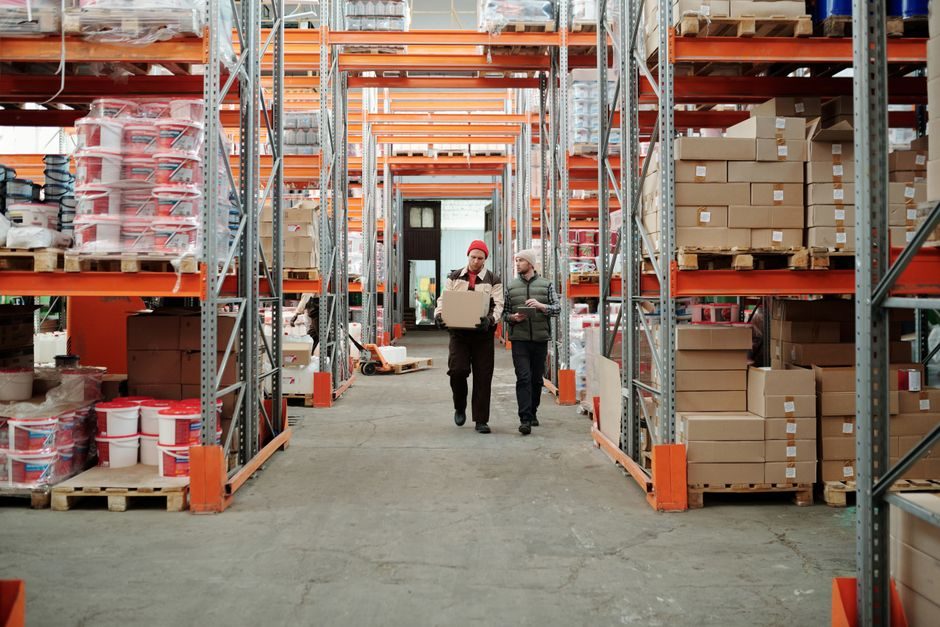
Paid vs unpaid listings
Understand how different channels affect visibility. Paid placements may reach new readers, but unpaid listings can build credibility with existing audiences. Balance is key and should align with newsroom goals and ethics. place an advert in the USA can be explained as a resource for advertisers, while keeping editorial integrity intact.
Track performance by simple metrics like click-throughs or save counts. Use this feedback to adjust future listings and avoid over-reliance on one channel.
When in doubt, start with free, high-credibility channels and reserve paid options for high-impact events.
- Balance paid and unpaid channels
- Use simple performance signals
- Start with free channels for credibility
- Avoid over-reliance on paid placements
Partnering with local outlets
Collaborate with community newsletters, schools, and local organizations to broaden reach. Share clear guidelines for submissions to maintain consistency. Create a simple intake form to standardize details.
Partnerships should respect editorial independence and avoid overwhelming readers with repetitive listings. Coordinate timelines to maximize impact for all parties.
Establish a quick review loop so partner submissions are vetted before publication and aligned with newsroom style.
- Cooperate with community partners
- Standardize submission details
- Maintain editorial independence
- Timely review for consistency
Ethical considerations for listings
Balancing accuracy and fairness
Publishers should verify dates, times, and venues before posting to prevent misinformation that misleads readers. Cross-check with organizers and local authorities when possible, and note any changes promptly. Avoid sensational wording that could skew public perception or undermine trust. place an obituary in the USA
Provide context for events that affect vulnerable groups, such as accessibility needs or safety concerns, so readers can decide relevance. If a listing omits critical details, acknowledge the missing information and offer a correction path. Maintain a calm, non-judgmental tone even when covering controversial topics.
- Verify multiple sources for controversial events
- Avoid sensational headlines
- Correct errors quickly
- Respect privacy where applicable
- Disclose sponsors when present
Accessibility and inclusivity in event listings
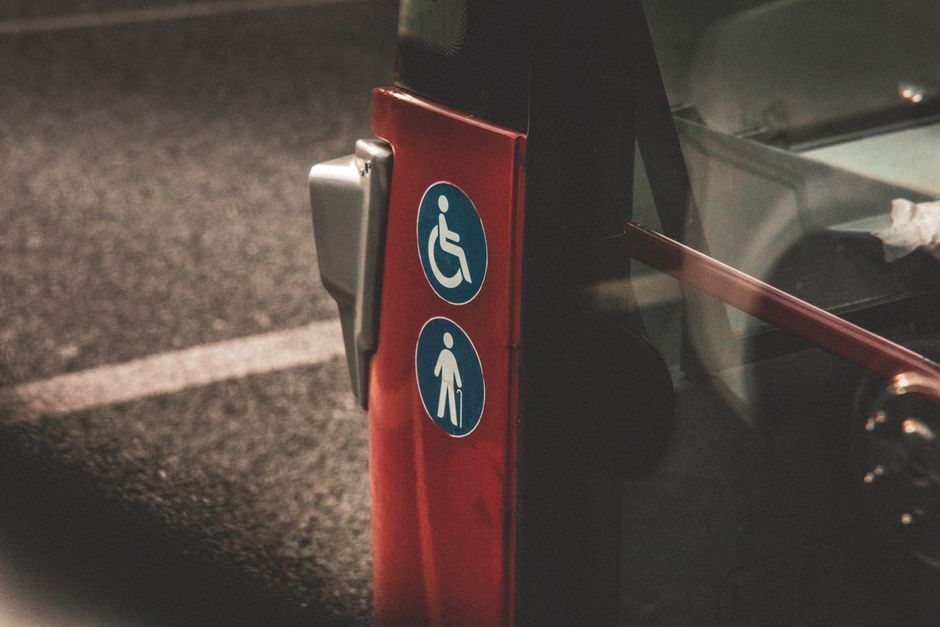
Inclusive language and formats
Use clear, simple language that welcomes a broad audience and avoids jargon. Provide alternative formats when possible, such as large print or screen-reader friendly descriptions. Include accessibility notes about venue entrances, seating, and translation services.
Offer filters for accessibility features on the site so readers can quickly find events that match their needs. Highlight events with inclusive programming or language accessibility. Ensure visual content includes captions or alt text for readers relying on assistive tech.
- Use plain language descriptions
- List accessibility features
- Provide translation or interpretation info
- Offer alternative formats
Metrics and reader feedback for events
Tracking useful signals
Publishers should track which listings drive engagement, such as click-throughs and time on page, to learn what readers actually value. Separate national news from local-event content to measure impact more accurately. Use feedback to refine what kinds of events to highlight and how to present them.
Collect qualitative feedback through brief reader surveys embedded near listings, asking what information was missing or misleading. Turn those insights into concrete improvements, like adding venue maps or entry deadlines. Regularly review patterns to avoid stagnation and keep content relevant.
When adjustments are made, document the rationale for readers so decisions feel transparent and earned. This builds trust and helps readers understand the value of local event coverage.
- Track engagement metrics
- Solicit reader feedback
- Iterate on formats and details
Final checklist for publishers
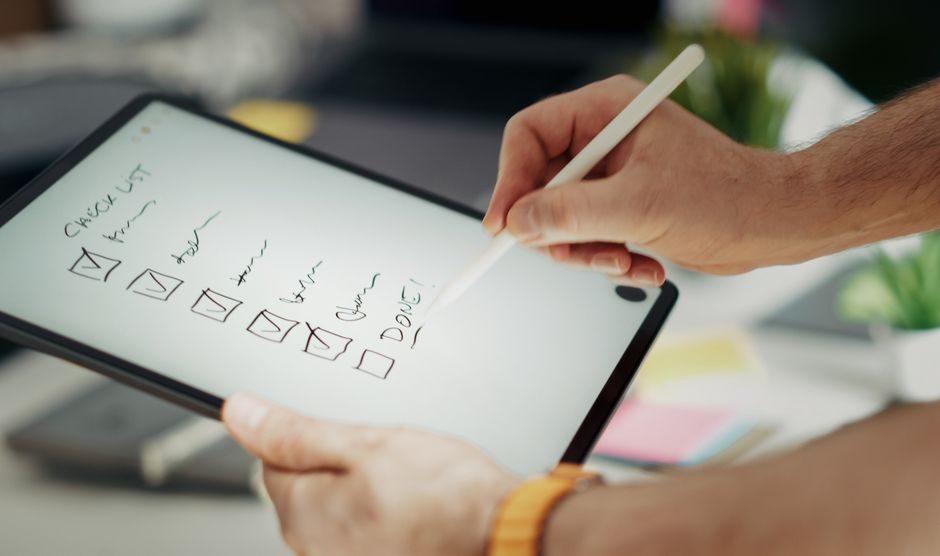
Pre-publish rigor
Before publishing, confirm event details with organizers and check for any last-minute changes. Ensure dates align with the local time zone and that contact information is current. Run a quick read to catch ambiguous phrases or misprints that could mislead readers.
Format listings for readability: concise summaries, clear times, and distinct location details. Include accessibility notes when applicable and ensure links work. Consider adding a one-line takeaway that helps readers decide whether to attend.
Mention any limits or caveats, such as RSVP requirements or weather contingencies, so readers aren’t surprised by conditions at the venue. Maintain a consistent style across all listings for credibility and reliability.
- Confirm with organizers
- Check time zones and contact info
- Test links and formats
- Note contingencies and limits
- Maintain consistent style
Frequently asked questions
How should I verify event details quickly?Call or email the organizer, then confirm the information with a second source such as a city calendar or venue listing. If you can, check social media posts from the event or venue for last-minute changes and note those updates in the listing.
What makes an event newsworthy for dailynews readers?Events that affect public life, safety, or everyday routines tend to matter. Focus on deadlines, accessibility, and anything that readers would need to know to decide whether to attend or seek further information.
How should we handle corrections after publication?Publish a clear correction note linked to the original listing and update the listing itself. If possible, timestamp changes and briefly explain what was corrected to retain transparency.
How can we improve accessibility in listings?Include venue accessibility details, seating information, and available formats, such as captions or large-print materials. Use simple language and provide translation options if available.
Final thoughts and next steps
Readers benefit when local events are factual, clearly labeled, and easy to act on. The next step for publishers is to incorporate the checklist into daily work and monitor reader input for ongoing improvements.
A steady loop of verification, inclusive language, and transparent corrections will strengthen trust in dailynews’ local coverage and better serve communities planning their days.
Add Daily News as a preferred source on Google


