

Pelican Bay Prison Education Program: Transforming Lives Behind Bars
In the heart of California’s Pelican Bay State Prison, an innovative experiment in higher education is taking place within the confines of razor wire and guard towers. Once a supermax facility known for its extreme security measures, Pelican Bay has now become a beacon of hope for incarcerated individuals seeking a second chance through education.
The Future of Pelican Bay’s Education Model
California’s first supermax facility, Pelican Bay State Prison, set the stage for numerous imitators during the 1990s with its Security Housing Unit where inmates had limited access to sunlight and endured long periods of solitary confinement. Today, Pelican Bay is striving to redefine its legacy by offering a unique opportunity for education within its walls.
A Groundbreaking Partnership
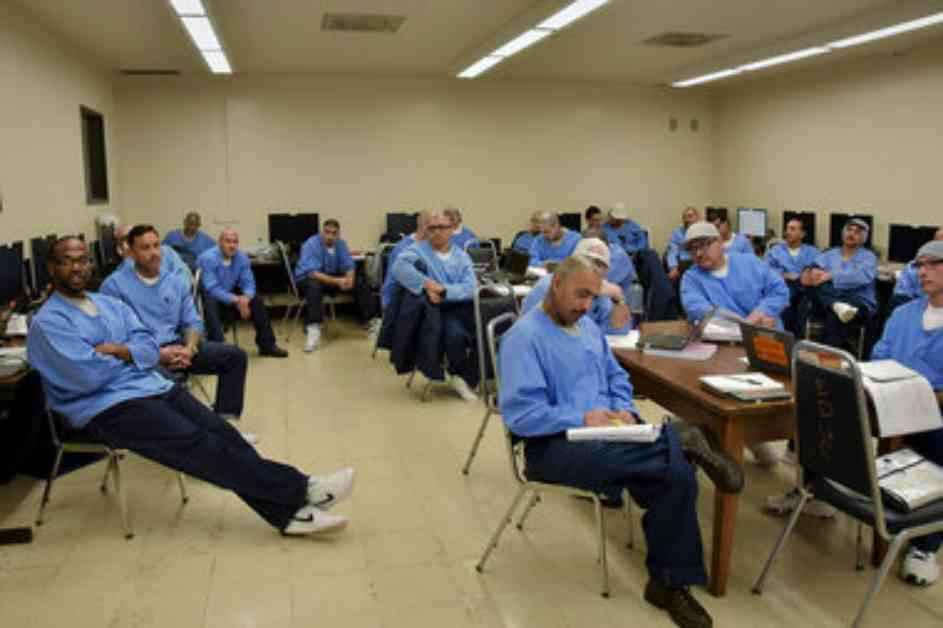
The prison has partnered with California State Polytechnic University, Humboldt, to establish an accredited classroom within the facility. This classroom, equipped with computers, is now home to 27 incarcerated individuals pursuing their college degrees. These students are not only the first to receive federal aid in over three decades but are also part of the state’s inaugural in-person bachelor’s initiative within a maximum-security yard.
The Power of Education in Rehabilitation
Education within the prison system has been proven to have a transformative impact on incarcerated individuals. Mark Taylor, program coordinator of Project Rebound Humboldt, a support initiative for formerly incarcerated individuals, emphasizes that education provides the tools for reflection and understanding that can ultimately prevent recidivism. As individuals like Mr. Taylor have experienced firsthand, higher education can lead to reduced rates of re-arrest and increased employment opportunities post-release.
The Journey to Redemption
For students like Antonio Barajas, education represents a chance at redemption and personal growth. Mr. Barajas, who aspires to obtain a master’s degree in psychology, views education as a means to understand his past actions and pave a new path for the future. His commitment to education mirrors that of many incarcerated individuals who seek to break free from their past and create a brighter tomorrow.
Creating a Supportive Community
Within the classroom at Pelican Bay, a sense of camaraderie and support flourishes among the students. Steve Corotan, who spent years in solitary confinement, highlights the transformative power of education in bringing individuals together despite their past differences. The classroom has become a place of collaboration, where students work on projects and study alongside one another, fostering a spirit of unity and shared growth.
Uncertain Times Ahead
Despite the success of the bachelor’s program at Pelican Bay, recent challenges pose a threat to its continuation. The White House’s executive order to pause federal loans and grants has cast a shadow of uncertainty over the program’s future. Steve Ladwig, the program director, expresses concerns over the potential impact of funding cuts on the diverse student body and the program’s sustainability.
A Call for Continued Support
As the future of the Pelican Bay education program hangs in the balance, advocates stress the importance of investing in educational initiatives within the prison system. The positive outcomes of such programs, including lower rates of recidivism and increased opportunities for incarcerated individuals, underscore the need for continued support and funding to ensure the program’s longevity.
In the face of adversity, the students and faculty at Pelican Bay remain resilient in their pursuit of knowledge and transformation. Through education, these individuals are not only rewriting their own stories but also inspiring others to believe in the power of second chances and the transformative impact of learning.