

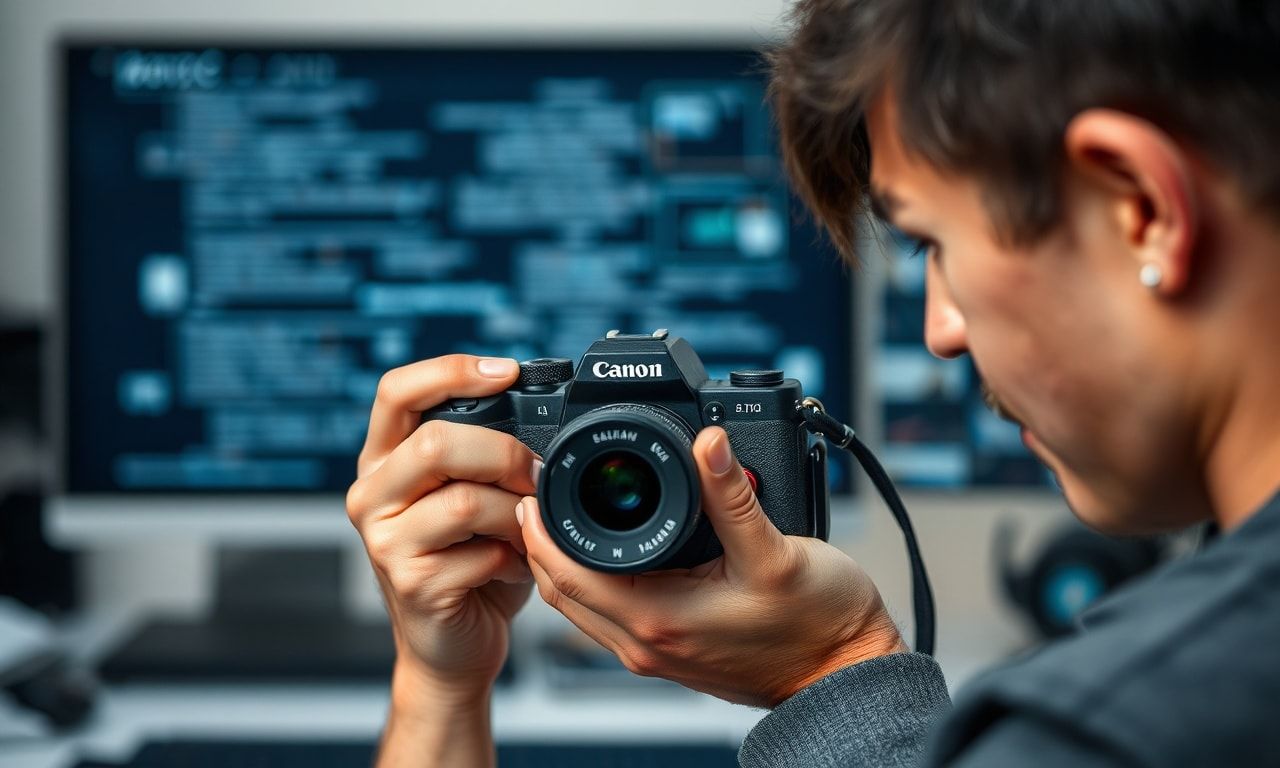
The Evolution of Photography in News Reporting
The role of photography in journalism has undergone a significant transformation over the years. From the days of black-and-white film to the current era of high-resolution digital images, photography has become an indispensable tool for storytelling. The advent of digital technology has not only made photography more accessible but has also elevated its importance in news reporting. Photographs capture moments that words alone cannot convey, providing a visual narrative that complements written articles.
The Impact of Smartphones on Photojournalism
Smartphones have revolutionized the field of photojournalism. With advanced camera capabilities, journalists and citizens alike can capture high-quality images on the go. This democratization of photography has led to a surge in user-generated content, which often provides unique perspectives on breaking news. However, it also raises questions about the authenticity and ethical considerations of using such images in professional journalism. The photography tips composition guide emphasizes the importance of understanding composition and technique, even when using smartphone cameras, to ensure high-quality visuals.
Ethical Considerations in Photojournalism
Ethical dilemmas are a significant aspect of modern photojournalism. Journalists must navigate the fine line between capturing compelling images and respecting the privacy and dignity of their subjects. The use of drones and other advanced technologies has further complicated these ethical considerations. For instance, while drones can provide aerial views that offer a broader context, they also raise concerns about invasion of privacy. Journalists must adhere to ethical guidelines and consider the potential impact of their images on the subjects and the broader community.
The Role of Social Media
Social media platforms have become a critical distribution channel for photojournalism. Platforms like Instagram, Twitter, and Facebook allow photographers to reach a global audience instantly. However, the rapid dissemination of images also means that misinformation can spread quickly. Journalists must verify the authenticity of images before sharing them to maintain credibility. Additionally, social media algorithms can influence what content is seen, potentially shaping public perception of events.
Technological Advancements and Future Trends
The future of photojournalism is likely to be shaped by continued technological advancements. Artificial intelligence (AI) and machine learning are already being used to enhance image quality and automate certain aspects of photo editing. Virtual reality (VR) and augmented reality (AR) are also emerging as powerful tools for immersive storytelling. These technologies have the potential to provide viewers with a more engaging and interactive experience, bringing them closer to the events being reported.
Challenges and Opportunities
While technological advancements offer numerous opportunities, they also present challenges. The rapid pace of change can be overwhelming for journalists who must continuously update their skills to stay relevant. Additionally, the proliferation of deepfake technology poses a significant threat to the integrity of visual journalism. As such, there is a growing need for media literacy and critical thinking skills among both journalists and the public to navigate this complex landscape.
Conclusion
The intersection of technology and photography in modern journalism is a dynamic and evolving field. From the democratization of photography through smartphones to the ethical considerations of using advanced technologies, journalists must navigate a complex landscape. By staying informed about the latest technological advancements and adhering to ethical guidelines, photojournalists can continue to play a crucial role in shaping public perception and understanding of global events.