

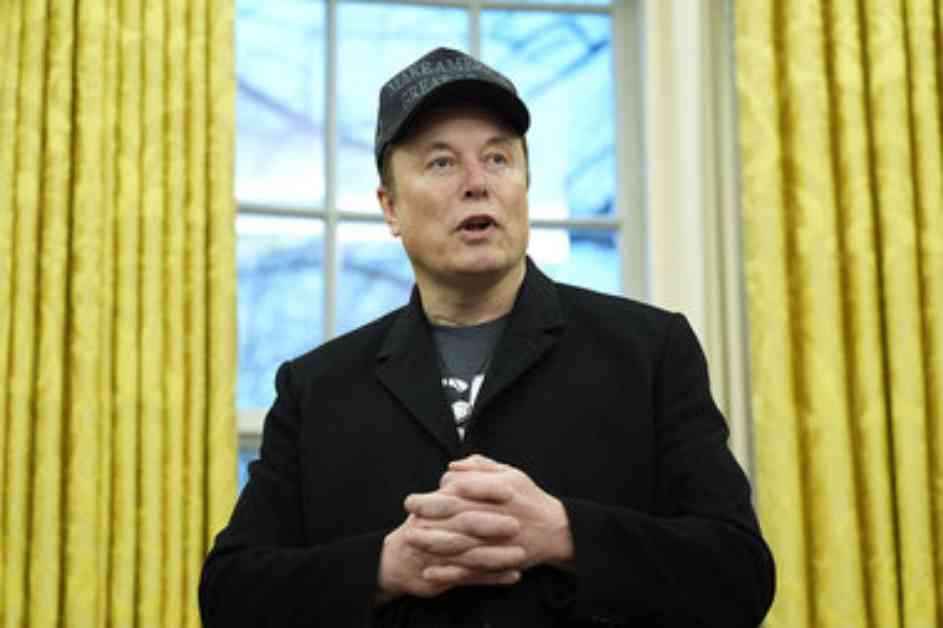
President Donald Trump and his new efficiency head, Elon Musk, are on a mission to tackle government fraud and streamline the federal bureaucracy. While their efforts have been met with skepticism due to a lack of concrete evidence, the potential impact of reducing fraud could be substantial, with estimates suggesting it could slash federal spending by up to 8%.
The Issue of Government Fraud
The Government Accountability Office (GAO) estimates that fraud costs the federal government anywhere between $233 billion and $521 billion annually, representing a significant portion of the government’s budget. The surge in fraud has been exacerbated by the influx of pandemic-related spending, with COVID-19 relief programs alone being defrauded of over $1 trillion, much of it falling into the hands of overseas criminals.
The Opportunity for Change
By focusing on combating fraud effectively, the Trump administration has the opportunity to find common ground in its efforts to streamline government operations. Joseph Mauriello, director of the Center for Internal Auditing Excellence at the University of Texas at Dallas, emphasizes the importance of ensuring taxpayer dollars are well spent, regardless of political affiliations.
The Role of Auditing Professionals
Auditing professionals play a crucial role in identifying and addressing fraud within the government. Shivaram Rajgopal, a professor of accounting and auditing at Columbia Business School, highlights the need for a thoughtful approach to combatting fraud, cautioning against hasty strategies that could have unintended consequences.
Challenges in Addressing Fraud
Detecting and prosecuting fraud comes with high costs, and the effectiveness of anti-fraud efforts must be carefully evaluated to ensure resources are allocated efficiently. Targeting major federal agencies with a history of poor recordkeeping, such as the Defense Department and Medicare, could yield significant results in the fight against fraud.
The Need for Advanced Technology
Implementing advanced technologies, such as artificial intelligence and front-end identity verification processes, could enhance the government’s ability to detect and prevent fraud. However, Robert Bixby, executive director of The Concord Coalition, emphasizes the importance of building strong cases to prosecute fraudsters effectively.
The Impact of Inspectors General
The dismissal of inspectors general at federal agencies by the Trump administration has raised concerns about oversight and accountability in the fight against fraud. Inspectors general play a crucial role in ensuring taxpayer money is spent responsibly, and their absence could hinder efforts to combat fraud effectively.
Moving Forward
As the Trump administration and Elon Musk continue their efforts to root out fraud and streamline government operations, the importance of a balanced and strategic approach cannot be overstated. By leveraging the expertise of auditing professionals, embracing cutting-edge technologies, and maintaining transparency and accountability, the government can make significant progress in combatting fraud and safeguarding taxpayer dollars.
Caitlin Babcock reported from Washington, and Laurent Belsie from Boston.