

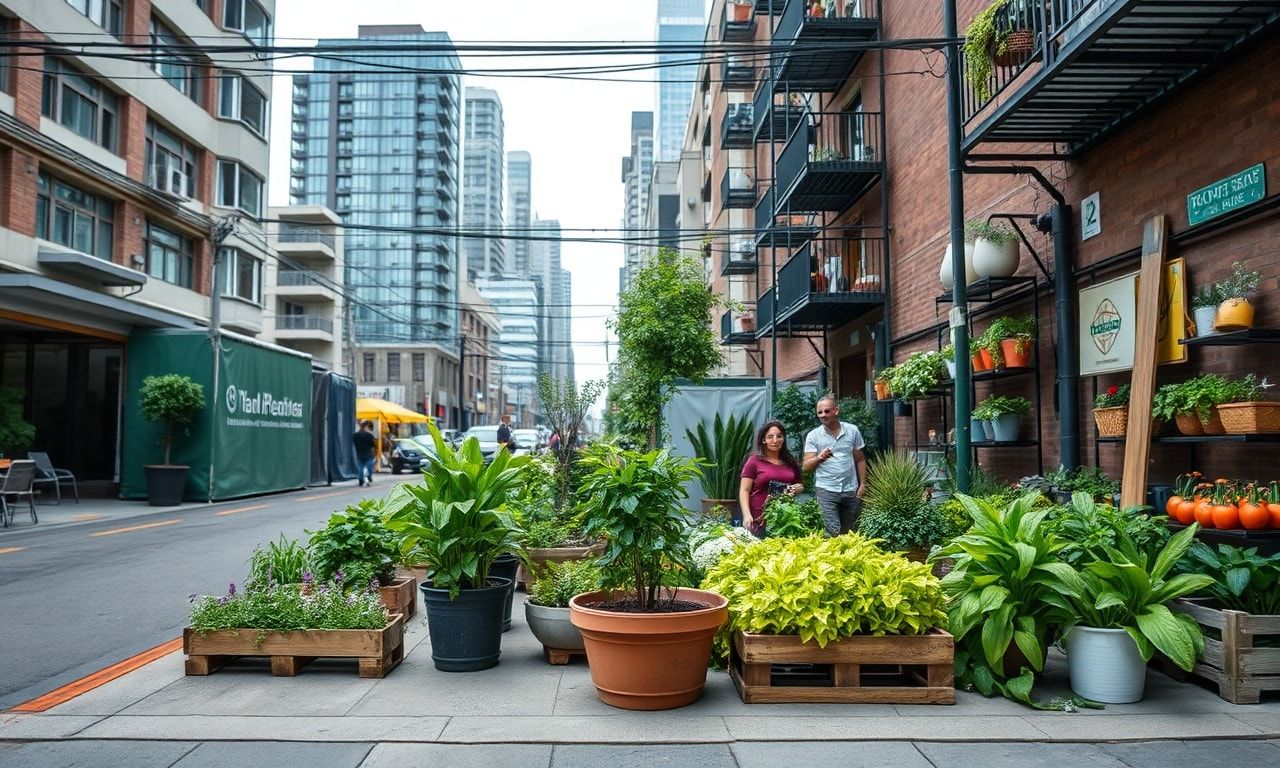
The Rise of Urban Self-Sufficiency
The concept of self-sufficiency is no longer confined to rural areas or off-grid living. In recent years, urban self-sufficiency has gained significant traction as city dwellers seek to reduce their environmental impact, gain food security, and foster community resilience. This movement is driven by a combination of factors, including climate change concerns, economic uncertainties, and a growing desire for sustainable living.
Why Urban Self-Sufficiency Matters
Urban self-sufficiency encompasses a wide range of practices, from community gardening and urban farming to DIY energy solutions and water conservation. These initiatives not only help individuals and communities become more self-reliant but also contribute to the overall sustainability of urban environments. For instance, urban farming can reduce the carbon footprint associated with food transportation, while rainwater harvesting can alleviate pressure on municipal water supplies.
Moreover, urban self-sufficiency promotes social cohesion and community engagement. Projects like community gardens and tool libraries bring neighbors together, fostering a sense of shared purpose and mutual support. This is particularly important in densely populated urban areas where social isolation can be a significant issue.
Case Studies in Urban Self-Sufficiency
One notable example of urban self-sufficiency is the city of Frankfurt, Germany. Frankfurt has been at the forefront of promoting self-sufficient living through various initiatives. The city encourages residents to grow their own food, compost organic waste, and use renewable energy sources. For more insights into Frankfurt’s approach, you can visit Frankfurt Internationale Selbstversorgung im urbanen Raum.
Similarly, cities like Detroit in the United States have embraced urban agriculture as a means of revitalizing vacant lots and providing fresh produce to underserved communities. Detroit’s urban farming initiatives have not only improved food access but also created jobs and stimulated local economic activity.
Challenges and Solutions
Despite the numerous benefits, urban self-sufficiency faces several challenges. Limited space, zoning regulations, and lack of resources can hinder the implementation of self-sufficient practices in urban areas. However, innovative solutions are emerging to address these obstacles.
Vertical farming, for example, allows urban farmers to grow crops in stacked layers, maximizing the use of limited space. Hydroponic and aeroponic systems enable plants to grow without soil, reducing the need for large plots of land. Additionally, community-based initiatives can pool resources and expertise to overcome individual limitations.
Policy and Community Support
Government policies and community support play a crucial role in promoting urban self-sufficiency. Municipalities can create favorable zoning laws, provide grants and subsidies, and offer educational programs to encourage self-sufficient practices. Community organizations can also play a vital role by organizing workshops, sharing resources, and advocating for policy changes.
For instance, the city of Copenhagen has set a goal to become the world’s first carbon-neutral capital by 2025. To achieve this, the city has implemented various initiatives, including urban farming, green roofs, and community energy projects. These efforts have not only reduced the city’s carbon footprint but also enhanced the quality of life for its residents.
The Future of Urban Self-Sufficiency
The future of urban self-sufficiency looks promising, with increasing awareness and technological advancements driving the movement forward. As more cities recognize the benefits of self-sufficient living, we can expect to see a growing number of initiatives and policies aimed at promoting sustainability and resilience.
In conclusion, urban self-sufficiency is a powerful tool for creating more sustainable, resilient, and cohesive communities. By embracing self-sufficient practices, urban dwellers can reduce their environmental impact, improve food security, and foster a sense of community. As the movement continues to grow, it will be essential for individuals, communities, and policymakers to work together to overcome challenges and realize the full potential of urban self-sufficiency.