

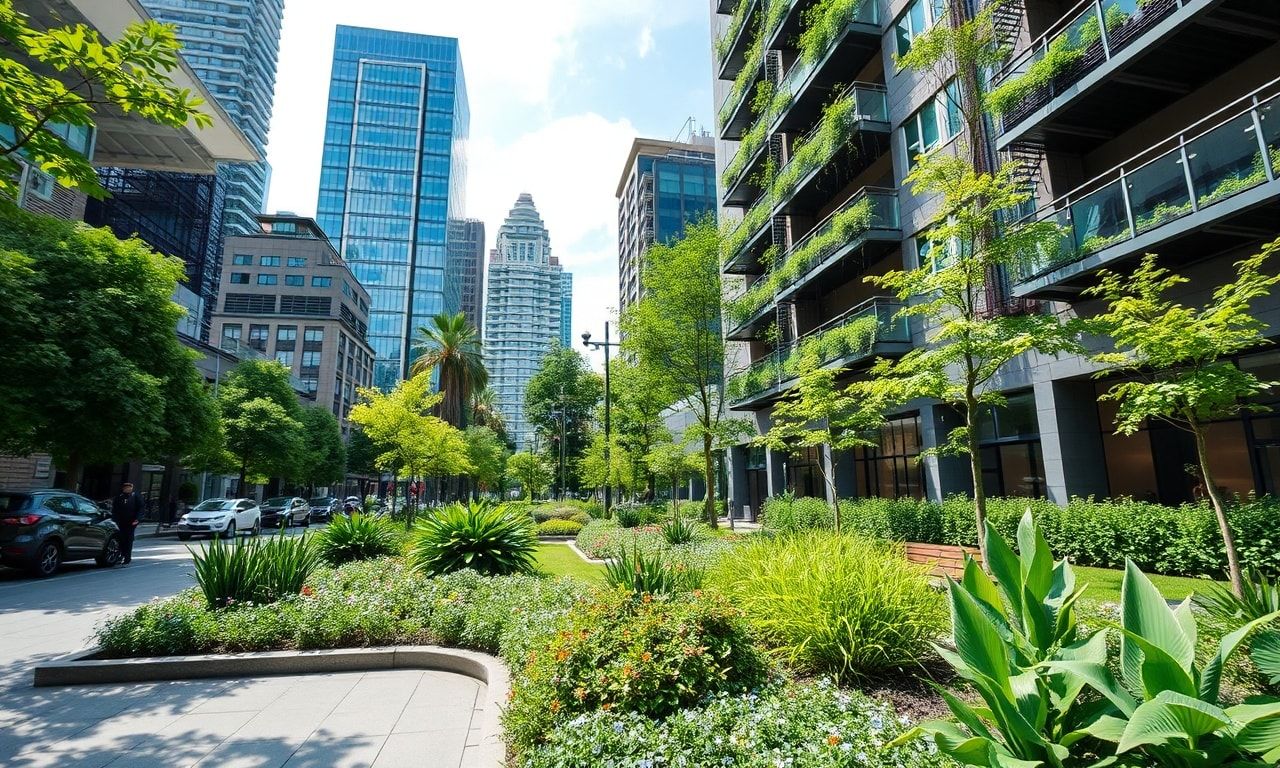
The Growing Importance of Urban Green Spaces
The world is witnessing a rapid urbanization trend, with more people moving to cities than ever before. According to the United Nations, 55% of the world’s population lives in urban areas, a proportion that is expected to increase to 68% by 2050. As cities grow, so does the demand for green spaces that offer a respite from the concrete jungle. These urban oases are not just about aesthetics; they play a crucial role in improving the quality of life for city dwellers.
Urban green spaces, such as parks, community gardens, and urban forests, provide numerous benefits. They act as lungs for the city, absorbing carbon dioxide and releasing oxygen. They also help mitigate the urban heat island effect, reduce air pollution, and promote biodiversity. Moreover, these spaces offer recreational opportunities, enhance mental and physical health, and foster social cohesion.
The Role of Urban Parks in Promoting Health and Well-being
Urban parks are more than just places for leisure; they are vital for public health. Numerous studies have shown that access to green spaces can reduce stress, lower blood pressure, and improve overall mental health. In a study published in the journal Environmental Health Perspectives, researchers found that people who live near green spaces have a lower risk of developing certain health conditions, such as cardiovascular diseases and obesity.
In addition to their health benefits, urban parks also serve as venues for community activities and events. From outdoor concerts and fitness classes to farmers’ markets and cultural festivals, these spaces bring people together and foster a sense of community. For instance, New York parks recreation activities are renowned for their diversity and inclusivity, catering to the needs and interests of the city’s multicultural population.
Innovative Approaches to Urban Green Spaces
As cities continue to grow and evolve, so do the approaches to creating and maintaining urban green spaces. Innovative solutions are being implemented worldwide to maximize the benefits of these spaces and make them more accessible to all residents. Here are a few notable examples:
- Vertical Gardens and Green Roofs: With space at a premium in many cities, vertical gardens and green roofs are becoming increasingly popular. These structures not only add a touch of greenery to urban landscapes but also help insulate buildings, reduce energy consumption, and improve air quality.
- Pocket Parks: Pocket parks are small, often privately-owned green spaces that are open to the public. They are typically found in densely populated areas and provide a quick escape from the hustle and bustle of city life. These parks are often maintained by local residents, fostering a sense of ownership and pride in the community.
- Urban Forests: Urban forests are large, forested areas within or near cities that provide numerous environmental, social, and economic benefits. They offer opportunities for recreation, education, and research, and play a crucial role in conserving biodiversity and protecting water resources.
The Challenges of Creating and Maintaining Urban Green Spaces
Despite the numerous benefits of urban green spaces, creating and maintaining them is not without its challenges. One of the main obstacles is the lack of space in densely populated cities. Additionally, funding and resources for the development and upkeep of these spaces can be limited, and political will and public support are often necessary to overcome these barriers.
Another challenge is ensuring that urban green spaces are accessible and inclusive. In many cities, green spaces are unevenly distributed, with wealthier neighborhoods often having better access to parks and recreational facilities than lower-income areas. This disparity can exacerbate social and economic inequalities and limit the benefits of urban green spaces for all residents.
To address these challenges, cities must adopt a holistic and integrated approach to urban planning and green space development. This includes engaging with local communities, involving multiple stakeholders, and leveraging innovative technologies and funding mechanisms. By doing so, cities can create and maintain urban green spaces that are not only beautiful and functional but also equitable and sustainable.
The Future of Urban Green Spaces
The future of urban green spaces looks promising, with a growing recognition of their importance and a renewed commitment to their development and maintenance. As cities continue to grow and evolve, so too will the approaches to creating and managing these spaces, with a greater emphasis on innovation, sustainability, and inclusivity.
Emerging technologies, such as smart sensors and data analytics, are being used to monitor and manage urban green spaces more effectively. These technologies can help optimize water usage, detect pests and diseases, and predict maintenance needs, enabling cities to make the most of their green spaces and maximize their benefits.
Moreover, there is a growing trend towards integrating urban green spaces with other infrastructure and services, such as public transportation, housing, and commercial facilities. This integrated approach not only maximizes the use of limited urban space but also creates more vibrant, livable, and sustainable cities.
In conclusion, urban green spaces are a vital component of healthy, sustainable, and livable cities. As the world continues to urbanize, the demand for these spaces will only grow, and cities must rise to the challenge by adopting innovative and integrated approaches to their development and maintenance. By doing so, they can create urban environments that are not only functional and efficient but also green, healthy, and inclusive.