

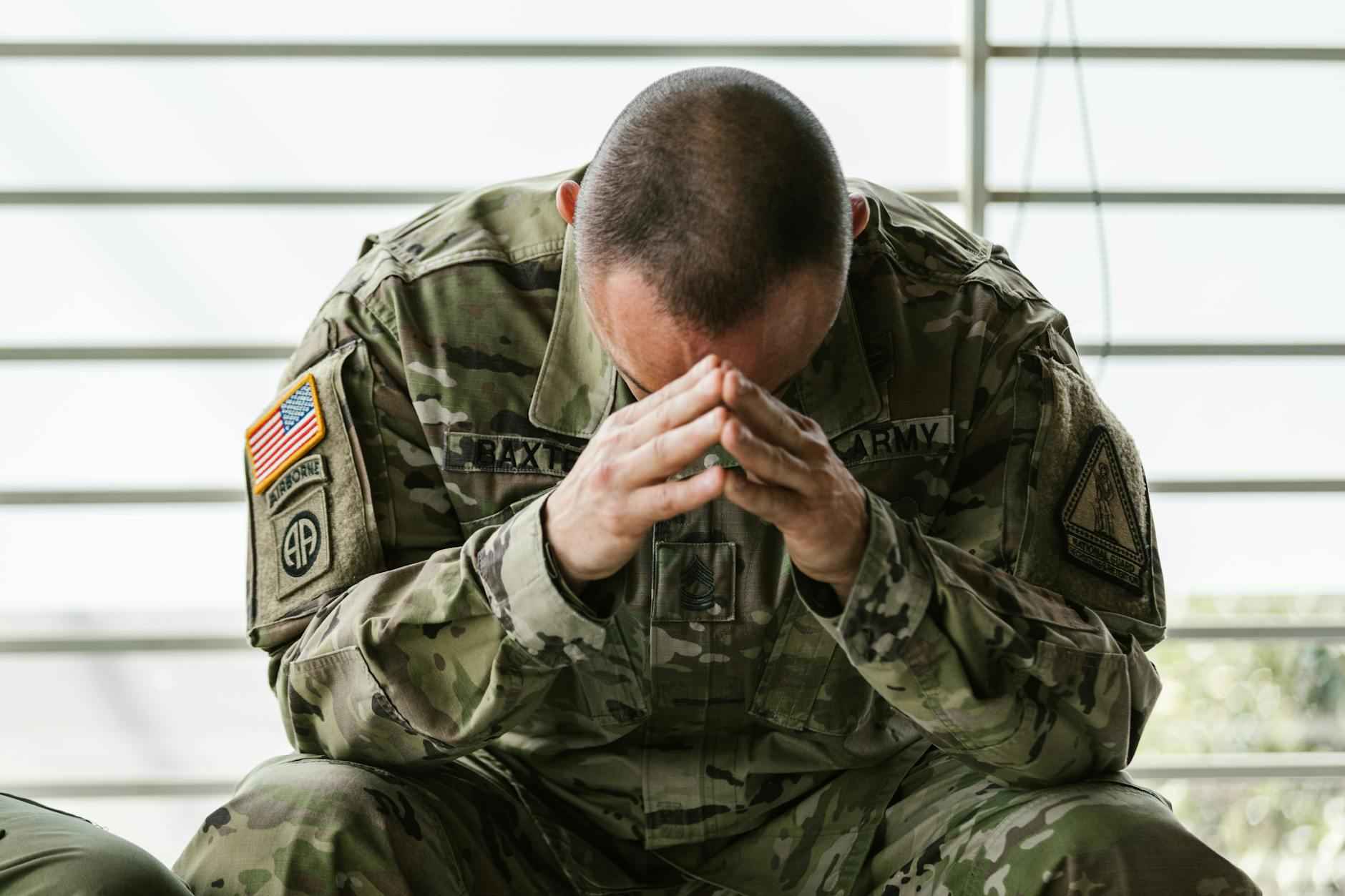
This article delves into the latest updates and developments regarding the U.S. Army’s presence in Syria, providing insights into military operations, strategic objectives, and the evolving geopolitical landscape. The situation in Syria remains complex, with various actors influencing the dynamics on the ground. Understanding these elements is crucial for anyone interested in the region’s future and the role of U.S. forces.
Understanding the current U.S. military operations in Syria is essential for grasping the broader context of the region’s stability and security. The U.S. Army has been actively engaged in several operations aimed at combating terrorism, particularly targeting remnants of ISIS. These operations are not just about military might; they also involve a strategic approach to support local forces and maintain peace.
The U.S. military’s focus includes conducting airstrikes, providing ground support, and engaging in intelligence operations. This multi-faceted approach is designed to disrupt terrorist networks and prevent the resurgence of extremist groups. Furthermore, the U.S. collaborates closely with local allies, particularly the Syrian Democratic Forces (SDF), to enhance operational effectiveness.
In addition to combat operations, the U.S. Army is also involved in humanitarian missions, which aim to alleviate the suffering of civilians caught in the conflict. These efforts are crucial for building trust and fostering stability in the region.
The U.S. Army plays a vital role in supporting the Syrian Democratic Forces (SDF), a key ally in the fight against ISIS. This support encompasses various aspects, including training, equipment, and intelligence sharing. By enhancing the SDF’s operational capabilities, the U.S. aims to create a more self-sufficient partner in the fight against terrorism.
Training programs offered to the SDF focus on combat tactics, logistics, and intelligence operations. These hands-on training sessions are designed to prepare the SDF for various threats they may encounter. It’s not just about teaching; it’s about building a relationship based on trust and shared objectives.
Moreover, intelligence sharing is a critical component of the U.S. Army’s support for the SDF. Through advanced surveillance and reconnaissance, U.S. forces provide actionable intelligence that helps the SDF conduct effective operations against ISIS remnants. This collaboration is vital for ensuring that both forces can operate effectively in a challenging environment.
U.S. forces in Syria face numerous challenges, from navigating complex political landscapes to dealing with hostile actors. These challenges significantly impact the effectiveness and safety of military operations on the ground. One major issue is the presence of various armed groups that may not align with U.S. objectives, creating a complicated web of alliances and rivalries.
Additionally, the geopolitical tensions in the region pose a constant threat to U.S. operations. For instance, the involvement of Russia and Iran in supporting the Assad regime complicates the situation further. U.S. forces must remain vigilant and adaptable to respond to shifting dynamics.
Logistical challenges also play a role. Operating in a war-torn country like Syria presents difficulties in supply chains, troop movements, and communication. The U.S. military must continuously innovate and find solutions to these problems to maintain operational readiness.
Geopolitical tensions in the region significantly influence the U.S. Army’s operations in Syria. The interplay between various nations, including Turkey, Russia, and Iran, creates a complex environment where U.S. interests often conflict with those of other powers. Understanding these dynamics is essential for analyzing the future of U.S. military involvement in the country.
Regional allies, including Turkey and various Arab states, play a significant role in shaping U.S. strategy in Syria. Their interests often align or clash with U.S. goals, creating a complex web of alliances and rivalries. For example, Turkey’s concerns about Kurdish forces in Syria can complicate U.S. efforts to support the SDF, which includes Kurdish fighters.
Furthermore, Russia’s involvement in Syria complicates the U.S. military’s operations. With a strong military presence, Russia supports the Assad regime, which directly opposes U.S. interests and objectives in the region. This dynamic creates a challenging environment for U.S. forces, necessitating careful strategy and diplomacy.
The U.S. Army’s presence in Syria is a multifaceted issue that encompasses military operations, humanitarian efforts, and the broader geopolitical landscape. As the situation continues to evolve, staying informed about these developments is crucial for understanding the future of U.S. involvement in Syria.
What Are the Current U.S. Military Operations in Syria?
Understanding the current U.S. military operations in Syria is essential for grasping the broader context of the region’s stability and security. The U.S. Army has been actively engaged in various operations aimed at combating terrorism and supporting local forces. This article will delve into the specifics of these operations, providing insights into their objectives and the challenges faced.
The U.S. military operations in Syria primarily focus on combating ISIS and stabilizing the region. The presence of ISIS remnants poses a significant threat, not just to Syria but to neighboring countries and beyond. By targeting these groups, the U.S. aims to prevent the resurgence of terrorism that could have global implications. Additionally, the U.S. supports local forces, particularly the Syrian Democratic Forces (SDF), which are vital in the fight against ISIS. This collaboration enhances the operational capabilities of the SDF, enabling them to maintain control over liberated territories.
Furthermore, U.S. operations also aim to ensure the protection of civilians and provide humanitarian assistance. This dual approach of military engagement combined with humanitarian efforts is crucial in fostering stability and rebuilding communities affected by prolonged conflict. The U.S. military engages in training programs, equipping local forces with the necessary skills to handle various threats effectively.
The U.S. Army plays a vital role in supporting the Syrian Democratic Forces (SDF). This support includes training, providing equipment, and sharing intelligence, all of which are essential for enhancing the SDF’s operational capabilities. Training programs focus on various aspects, including combat tactics, logistics, and intelligence operations. This hands-on training ensures that the SDF is well-prepared to handle the complex threats they face in the region.
Moreover, intelligence sharing is a critical component of the U.S. Army’s support for the SDF. Through advanced surveillance and reconnaissance, U.S. forces provide actionable intelligence that helps the SDF conduct effective operations against ISIS remnants. This collaboration not only strengthens local forces but also contributes to the overall security of the region.
U.S. forces in Syria encounter numerous challenges, ranging from navigating complex political landscapes to dealing with hostile actors. The geopolitical tensions in the region significantly influence U.S. military operations. For instance, the presence of Russian forces supporting the Assad regime complicates the situation. U.S. forces must operate cautiously to avoid direct confrontations, which could escalate tensions further.
Additionally, the U.S. military faces logistical challenges in delivering supplies and maintaining operational readiness in a hostile environment. The need for coordination with various local and international stakeholders adds another layer of complexity. Despite these challenges, U.S. forces remain committed to their objectives, focusing on stability and security in Syria.
In conclusion, the current U.S. military operations in Syria are multifaceted, involving combatting terrorism, supporting local forces, and addressing humanitarian needs. The challenges faced are significant, but the commitment to stability in the region remains strong.
How Is the U.S. Army Supporting Syrian Democratic Forces?
The U.S. Army plays a crucial role in the ongoing conflict in Syria, particularly in its support of the Syrian Democratic Forces (SDF). This support is not just about military might; it’s a blend of training, equipment provision, and intelligence sharing that enhances the SDF’s operational capabilities. The relationship between the U.S. Army and the SDF is vital in the fight against ISIS, and understanding how this support works can shed light on the complexities of the Syrian conflict.
The U.S. Army’s support for the Syrian Democratic Forces is multi-faceted and deeply impactful. One of the primary ways the U.S. Army assists the SDF is through extensive training programs. These programs are tailored to equip the SDF with the necessary skills to combat ISIS effectively. Training sessions cover a range of topics, from basic combat tactics to advanced military strategies, ensuring that the SDF can operate independently and effectively on the battlefield.
In addition to training, the U.S. Army provides the SDF with essential military equipment. This includes everything from small arms to armored vehicles, which are crucial for enhancing the SDF’s operational capabilities. The provision of such equipment not only boosts the morale of the forces but also significantly increases their effectiveness in combat situations. The SDF has been able to conduct operations with greater confidence and success due to this support.
Another critical aspect of the U.S. Army’s support is intelligence sharing. Through advanced surveillance systems and reconnaissance missions, the U.S. Army provides the SDF with actionable intelligence that is vital for planning operations against ISIS remnants. This intelligence sharing is a game changer; it allows the SDF to anticipate enemy movements and make informed decisions on the ground, thereby increasing the chances of successful operations.
However, it’s important to note that this support does not come without challenges. The U.S. Army faces numerous obstacles, including navigating complex political landscapes and ensuring the safety of its personnel while working alongside local forces. Moreover, the ongoing presence of other regional actors complicates the situation further. The interplay of these factors can impact the effectiveness of the support provided to the SDF.
In summary, the relationship between the U.S. Army and the Syrian Democratic Forces is a critical component of the broader strategy to combat ISIS in the region. Through training, equipment provision, and intelligence sharing, the U.S. Army enhances the SDF’s operational capabilities, making them a formidable ally in the fight against terrorism. As the situation in Syria evolves, the nature and extent of this support may also change, but the foundational role of the U.S. Army in supporting the SDF remains vital.
What Training Programs Are Offered?
The U.S. Army’s commitment to supporting the Syrian Democratic Forces (SDF) is evident through a range of specialized training programs designed to enhance their operational effectiveness. These programs are crucial, especially in a region fraught with challenges and threats. The SDF has been instrumental in the fight against ISIS, and the U.S. Army’s training initiatives aim to bolster their capabilities in various domains.
The training programs provided by the U.S. Army encompass a broad spectrum of combat tactics. These include urban warfare strategies, counter-insurgency operations, and direct action missions. The hands-on approach allows SDF personnel to engage in realistic scenarios that they may face in the field. For instance, they learn how to navigate complex urban environments, which is essential given the densely populated areas in Syria.
Moreover, the training emphasizes the importance of teamwork and communication during operations. SDF members practice coordinated attacks and defensive maneuvers, which are vital for successful engagements against hostile forces. The goal is to ensure that every unit can operate effectively, even under the most challenging conditions.
Logistics training is another critical component of the U.S. Army’s support for the SDF. Understanding how to manage resources, supply chains, and equipment is essential for sustaining military operations. During the training, SDF forces learn about inventory management, the importance of timely supply deliveries, and how to maintain their equipment in the field.
This aspect of training is particularly important because logistical failures can lead to mission failures. By equipping the SDF with the necessary skills in logistics, the U.S. Army helps them create a self-sufficient force capable of sustaining prolonged operations without direct U.S. support.
Intelligence operations training is a cornerstone of the U.S. Army’s assistance to the SDF. This training focuses on gathering, analyzing, and utilizing intelligence to inform operational decisions. The SDF is taught how to conduct reconnaissance missions, interpret satellite imagery, and utilize technology for surveillance purposes.
By enhancing their intelligence capabilities, the SDF can better anticipate threats and respond proactively. This training is vital for conducting effective operations against ISIS remnants, as it allows them to operate with a greater degree of awareness and precision.
The hands-on nature of these training programs is what sets them apart. Practical exercises ensure that SDF members can apply what they learn in real-world situations. This experiential learning approach fosters confidence and competence among the troops. They are not just passive learners; they actively participate in simulations and drills that replicate the complexities of actual combat scenarios.
Furthermore, the camaraderie built during these training exercises strengthens the bonds among SDF members, which is crucial for operational success. When forces trust each other and understand their roles, they can work together more effectively in high-pressure situations.
In summary, the U.S. Army’s training programs for the SDF are comprehensive, focusing on combat tactics, logistics, and intelligence operations. These initiatives are designed to equip the SDF with the necessary skills to effectively combat threats in the region, ensuring they remain a formidable ally in the fight against terrorism.
How Does Intelligence Sharing Work?
Intelligence sharing is a fundamental aspect of the U.S. Army’s collaboration with the Syrian Democratic Forces (SDF). This partnership is crucial, especially in the ongoing fight against ISIS remnants in the region. The U.S. Army leverages advanced technologies and sophisticated surveillance systems to gather vital information that can be shared with the SDF, enhancing their operational effectiveness.
But how exactly does this process unfold? First, it’s important to understand that intelligence sharing is not merely about transmitting data. It involves a comprehensive approach that includes surveillance, reconnaissance, and the analysis of gathered information. U.S. forces utilize various platforms, including drones and satellite imagery, to monitor movements and activities of ISIS operatives. This real-time data is invaluable for the SDF, allowing them to plan and execute operations with a higher degree of precision.
- Surveillance: Continuous monitoring of specific regions where ISIS activity has been reported.
- Reconnaissance: Gathering information about enemy positions and strengths.
- Analysis: Interpreting the data to produce actionable intelligence.
Once the intelligence is collected, it is analyzed by military experts who assess its relevance and accuracy. This step is critical, as it ensures that the information shared with the SDF is not only reliable but also actionable. The analysis often includes predictive assessments, forecasting potential movements or actions by ISIS, which can be pivotal for preemptive strikes or defensive maneuvers.
Moreover, the U.S. Army conducts regular briefings with SDF commanders, providing them with the latest intelligence updates. These meetings foster a collaborative environment where both parties can discuss strategies and share insights. The relationship built through these interactions is essential for maintaining trust and ensuring that the SDF feels supported in their operations.
However, it’s not just about sharing intelligence; it’s also about training. The U.S. Army provides training programs that teach SDF personnel how to analyze and utilize the intelligence they receive effectively. This empowerment is crucial for building a self-sufficient force capable of responding to threats independently.
In conclusion, intelligence sharing between the U.S. Army and the SDF is a complex, multifaceted process that goes beyond mere data exchange. It involves a strategic partnership aimed at enhancing the operational capabilities of local forces in their fight against terrorism. By combining advanced technology with human expertise, the U.S. Army ensures that the SDF is well-equipped to tackle the challenges posed by ISIS remnants in Syria.
What Are the Key Challenges Facing U.S. Forces in Syria?
The presence of U.S. forces in Syria has become a focal point for discussions about military strategy and international relations. As the situation evolves, it’s crucial to understand the key challenges that these forces face on the ground. This article delves into the intricacies of these challenges, providing insights into the complexities surrounding military operations in Syria.
U.S. forces in Syria encounter a myriad of challenges that complicate their mission. One of the primary issues is the complex political landscape. The Syrian conflict involves multiple factions, including the Assad regime, various rebel groups, and foreign powers like Russia and Iran. Each of these actors has its own agenda, making it difficult for U.S. forces to navigate the situation effectively. For instance, the presence of Russian troops supporting Assad can limit the operational freedom of U.S. forces, creating a tense environment where miscalculations can lead to serious confrontations.
Another significant challenge is dealing with hostile actors who are not only opposed to U.S. interests but also actively target American troops. Groups like ISIS and other militant organizations remain a persistent threat. Even though ISIS has lost much of its territorial control, it continues to operate as an insurgent force, launching attacks and attempting to regroup. This ongoing threat necessitates constant vigilance and adaptability from U.S. forces, who must remain prepared for sudden engagements.
Moreover, the logistical challenges of operating in Syria cannot be overlooked. The region is characterized by rough terrain, limited infrastructure, and ongoing conflict, which complicates supply lines and troop movements. U.S. forces often rely on air support and advanced technology to overcome these obstacles, but such reliance can also lead to vulnerabilities. For example, if air support is compromised, ground troops may find themselves at a disadvantage.
Additionally, the humanitarian crisis in Syria poses ethical and operational challenges for U.S. forces. The military presence is often viewed with suspicion by local populations, and any military operation can inadvertently exacerbate the humanitarian situation. Striking a balance between military objectives and humanitarian needs is a constant struggle. U.S. forces are often tasked with providing aid and support to civilians, which can divert attention and resources away from combat operations.
In summary, the challenges facing U.S. forces in Syria are multifaceted and deeply intertwined with the region’s political and social dynamics. From navigating a complex political landscape to dealing with hostile actors and logistical issues, these challenges significantly impact the effectiveness and safety of military operations on the ground. Understanding these factors is crucial for comprehending the broader implications of U.S. military involvement in Syria.
How Does Geopolitical Tension Affect U.S. Presence in Syria?
Geopolitical tensions in the Middle East have a profound impact on the U.S. Army’s presence and operations in Syria. In this article, we will delve into how these tensions shape military strategies, influence partnerships, and ultimately affect the future of U.S. involvement in the region.
The geopolitical landscape in Syria is extremely complex, driven by a variety of factors including historical rivalries, sectarian divides, and the interests of global powers. One major player is Russia, which has established a strong military foothold in support of the Assad regime. This presence complicates U.S. efforts, as Russian objectives often directly oppose those of the U.S. Moreover, regional actors like Turkey and Iran have their own agendas, further complicating the situation.
- Russia: Supports Assad and has military bases in Syria.
- Turkey: Concerned about Kurdish forces in northern Syria.
- Iran: Aims to expand its influence and support militant groups.
These tensions not only affect military operations but also humanitarian efforts, as different factions control various regions, making aid distribution challenging.
The U.S. military’s strategy in Syria is heavily influenced by its alliances with regional partners, particularly the Syrian Democratic Forces (SDF). The SDF has been crucial in combatting ISIS, but their relationship with Turkey complicates matters. Turkey views the SDF as a terrorist group due to its links with the PKK, a Kurdish militant organization. This creates a delicate balancing act for the U.S., as it seeks to support the SDF while maintaining good relations with Turkey.
Moreover, the U.S. has to navigate relationships with various Arab states, each with their own interests. For instance, countries like Saudi Arabia and Jordan have been supportive of U.S. efforts but may have conflicting views on Iran’s role in Syria.
As geopolitical tensions escalate, the consequences for U.S. military operations can be severe. Increased hostilities may lead to a more dangerous environment for U.S. troops, necessitating heightened security measures and potentially limiting operational capabilities. Furthermore, if tensions lead to direct confrontations, the U.S. could find itself embroiled in a larger conflict, which could have far-reaching implications for regional stability.
Additionally, domestic politics in the U.S. can influence military decisions. Public opinion may shift based on how these tensions unfold, potentially leading to changes in strategy or even withdrawal. The uncertainty surrounding U.S. military presence in Syria is largely shaped by these dynamic geopolitical factors.
In summary, understanding the intricate web of geopolitical tensions in Syria is crucial for analyzing the future of U.S. military involvement. As these tensions continue to evolve, so too will the strategies and operations of the U.S. Army in the region.
What Role Do Regional Allies Play?
The involvement of regional allies in Syria is a critical aspect of the ongoing conflict and the U.S. military’s strategy in the area. As the situation evolves, understanding the dynamics between the U.S. and its allies, such as Turkey and various Arab states, becomes increasingly important. These nations hold significant sway over the political landscape and their interests can both align and clash with those of the United States. This creates a complex web of alliances and rivalries that impacts military operations and policy decisions.
Turkey has a unique role in the Syrian conflict, primarily driven by its national interests. One of its main concerns is the presence of Kurdish forces, particularly the YPG (People’s Protection Units), which Turkey views as an extension of the PKK (Kurdistan Workers’ Party), a group it considers a terrorist organization. This has led to tensions between Turkey and the U.S., especially since the U.S. has supported the YPG in its fight against ISIS. The U.S. must navigate this delicate balance, ensuring that it maintains support for Kurdish forces while also addressing Turkey’s security concerns.
Moreover, Turkey’s strategic location serves as a critical transit point for U.S. operations. The Incirlik Air Base, for instance, is pivotal for air operations against ISIS. However, the relationship is fraught with challenges. Turkey’s military incursions into northern Syria to combat Kurdish forces often conflict with U.S. objectives, leading to a complicated partnership that requires constant diplomatic engagement.
Arab states, particularly those in the Gulf region, also play a significant role in shaping U.S. strategy in Syria. Countries like Saudi Arabia and the United Arab Emirates have historically supported various rebel factions opposed to the Assad regime. Their involvement has been crucial in providing funding and resources to these groups, which aligns with U.S. goals of countering Iranian influence in the region.
However, the interests of these Arab states do not always align perfectly with those of the U.S. For example, while the U.S. has focused on combating ISIS, some Arab states have prioritized their own regional rivalries, particularly with Iran, over the fight against terrorism. This can lead to divergent strategies that complicate U.S. efforts to establish a coherent policy in Syria.
The competing interests of regional allies often create challenges for U.S. military operations in Syria. The complexity of these relationships means that U.S. forces must be adaptable and responsive to rapidly changing dynamics. For instance, a shift in Turkey’s approach to the Kurdish issue could necessitate a reevaluation of U.S. support for Kurdish forces, potentially jeopardizing the fight against ISIS.
- Diplomatic Engagement: Continuous dialogue with regional allies is essential to mitigate conflicts and align objectives.
- Military Coordination: Ensuring that military operations do not inadvertently undermine the interests of allies is crucial for maintaining stability.
- Intelligence Sharing: Effective intelligence sharing among allies can enhance operational effectiveness and foster trust.
In conclusion, the role of regional allies in Syria is multifaceted and critical to the success of U.S. military strategy. As interests shift and evolve, maintaining strong relationships with allies like Turkey and various Arab states will be essential for navigating the complexities of the Syrian conflict.
How Is Russia Involved in the Syrian Conflict?
Russia’s involvement in the Syrian conflict has dramatically reshaped the landscape of military operations in the region. Since its military intervention began in 2015, Russia has positioned itself as a key player, supporting the Assad regime and complicating U.S. military objectives. This support is not just about military might; it also includes political backing and strategic alliances that challenge U.S. interests.
One of the most significant aspects of Russia’s role is its military presence in Syria. With airbases and naval facilities, Russia has established a strong foothold, enabling it to conduct airstrikes and support ground operations. This military backing is crucial for Assad, who has faced numerous challenges from various opposition groups throughout the conflict. The Russian military has not only bombed ISIS targets but has also targeted other groups that the U.S. supports, further complicating the operational landscape for American forces.
Moreover, Russia’s involvement extends beyond mere military operations. The Kremlin has engaged in diplomatic efforts to solidify its influence in the region. By hosting peace talks and engaging with various factions, Russia aims to position itself as a mediator, which enhances its global standing. This diplomatic maneuvering often undermines U.S. efforts to promote stability and democracy in Syria, creating a complex web of geopolitical tension.
Another critical factor is the intelligence-sharing aspect of Russia’s operations. Unlike the U.S., which often operates in secrecy, Russia has been more vocal about its military strategies and objectives. This openness can create challenges for U.S. forces, who must navigate a landscape where their actions are closely monitored and potentially countered by Russian intelligence.
Additionally, the presence of Russian mercenaries, such as those from the Wagner Group, adds another layer of complexity. These private military contractors operate in Syria without the same level of oversight as regular military forces, making it difficult for U.S. intelligence to track their movements and intentions. This blend of formal military presence and informal mercenary activity complicates the battlefield dynamics, often putting U.S. forces at risk.
Lastly, the humanitarian implications of Russia’s involvement cannot be ignored. As Russia supports the Assad regime, it also contributes to the ongoing humanitarian crisis in Syria. The use of military force against civilian populations has led to mass displacements and suffering. This situation poses moral dilemmas for the U.S. and its allies, who must balance military objectives with humanitarian responsibilities.
In summary, Russia’s involvement in the Syrian conflict is multifaceted, encompassing military, political, and humanitarian dimensions. Its strong support for the Assad regime directly opposes U.S. interests, complicating military operations and diplomatic efforts in the region. Understanding this dynamic is essential for grasping the broader implications of U.S. military strategies in Syria.
What Are the Humanitarian Efforts Associated with U.S. Military Presence?
The humanitarian efforts associated with the U.S. military presence in Syria are a crucial aspect of their overall mission. While many focus on the military operations, it’s essential to recognize that the U.S. Army is also deeply involved in providing vital assistance to civilians affected by the ongoing conflict. These initiatives not only aim to alleviate suffering but also help to foster stability and goodwill in a region that has seen significant turmoil.
The U.S. Army collaborates with various non-governmental organizations (NGOs) and international agencies to deliver humanitarian aid in Syria. This aid encompasses a range of essential supplies, including food, medical supplies, and shelter for displaced populations. The Army’s involvement ensures that aid reaches those who need it the most, especially in conflict-affected areas where access can be difficult.
One of the most significant aspects of these humanitarian efforts is the distribution of food and clean water. The U.S. Army works to set up logistics networks that can efficiently transport these supplies to areas that are often cut off due to ongoing violence. Additionally, medical aid is another critical component, as many civilians suffer from injuries and illnesses exacerbated by the conflict. By providing medical supplies and support, the U.S. Army helps to save lives and improve the overall health of the affected populations.
Moreover, the Army’s collaboration with local organizations enhances the effectiveness of these initiatives. Local groups often have a better understanding of the community’s needs and can help navigate the complex landscape of aid distribution. This partnership not only increases the efficiency of the humanitarian efforts but also builds trust between the U.S. military and local populations.
Delivering humanitarian assistance in Syria is fraught with challenges. Security risks are perhaps the most daunting, as aid workers often find themselves in dangerous situations. The presence of hostile actors can complicate logistics and make it difficult to reach those in need. Additionally, there are logistical issues to consider, such as damaged infrastructure and the need for secure transportation routes.
- Security Risks: Aid workers face threats from various factions in the conflict.
- Logistical Challenges: Damaged roads and infrastructure can delay aid delivery.
- Coordination Issues: Working with multiple stakeholders can complicate efforts.
Furthermore, coordination with other international entities and NGOs can lead to bureaucratic delays. It’s essential for the U.S. Army to work closely with these organizations to streamline efforts and ensure that aid reaches its intended recipients. This coordination can often be a double-edged sword, as it can both enhance the effectiveness of the aid but also lead to misunderstandings and miscommunication.
In conclusion, the humanitarian efforts associated with the U.S. military presence in Syria play a vital role in addressing the needs of civilians affected by the conflict. Through collaboration with NGOs and local organizations, the U.S. Army strives to provide essential aid while navigating numerous challenges. These efforts not only help alleviate immediate suffering but also contribute to the broader goal of fostering stability and goodwill in the region.
How Does the U.S. Army Provide Humanitarian Aid?
The U.S. Army plays a crucial role in providing humanitarian aid in Syria, a country that has faced immense challenges due to ongoing conflict. This aid is not just about delivering supplies; it’s about restoring hope and helping communities rebuild their lives. The collaboration between the U.S. Army and various non-governmental organizations (NGOs) is essential in reaching those most in need. In this article, we will explore how the U.S. Army coordinates these efforts, the types of aid provided, and the challenges faced in this complex environment.
The humanitarian aid delivered by the U.S. Army in Syria encompasses a wide range of essential services. This includes food assistance, which is critical for families struggling to survive amid the conflict. The U.S. Army, in partnership with NGOs, distributes food packages that contain basic staples such as rice, beans, and canned goods. Medical supplies are also a major focus, as many healthcare facilities have been damaged or destroyed. The U.S. Army ensures that vital medical equipment and medications reach clinics and hospitals, helping to treat the injured and sick.
Additionally, shelter is a significant component of the humanitarian efforts. Many families have been displaced from their homes, and the U.S. Army collaborates with NGOs to provide temporary housing solutions. This can include tents, blankets, and other materials necessary for creating safe living conditions. The urgency of these efforts cannot be overstated, as winter months bring harsh weather conditions that can be life-threatening for those without adequate shelter.
Collaboration with NGOs is vital for the U.S. Army’s humanitarian missions in Syria. These organizations often have extensive networks and local knowledge that enable them to navigate the complex landscape of humanitarian needs. The U.S. Army works closely with NGOs to assess the most pressing needs of the population and to develop effective strategies for delivering aid. This partnership allows for a more coordinated response, ensuring that resources are utilized effectively and that aid reaches those who need it most.
Moreover, NGOs often have established relationships with local communities, which helps in gaining trust and facilitating the distribution of aid. The U.S. Army’s military logistics capabilities complement the NGOs’ grassroots efforts, creating a robust framework for humanitarian assistance. Together, they can respond quickly to emerging needs, whether it’s after a natural disaster or in the aftermath of escalated violence.
Delivering humanitarian assistance in Syria is fraught with challenges. One of the primary issues is security risks. The ongoing conflict poses significant dangers to aid workers and military personnel alike. There have been instances where convoys have come under attack, highlighting the precarious situation on the ground. Ensuring the safety of those involved in delivering aid is a top priority, but it complicates logistics and planning.
Logistical issues also present a significant hurdle. The infrastructure in many parts of Syria has been severely damaged, making it difficult to transport supplies. Roads may be impassable, and access to certain areas can be restricted due to ongoing fighting or political barriers. Coordination with various stakeholders—including local authorities and international organizations—is necessary to navigate these challenges effectively.
In conclusion, the U.S. Army’s humanitarian efforts in Syria are a testament to their commitment to supporting those affected by conflict. The collaboration with NGOs, the types of aid provided, and the challenges faced all contribute to a complex yet vital mission. As the situation evolves, the U.S. Army remains dedicated to adapting its strategies to meet the urgent needs of the Syrian people.
What Are the Challenges of Delivering Humanitarian Assistance?
Delivering humanitarian assistance in Syria is an incredibly complex task that poses a myriad of challenges. The ongoing conflict has created a dire need for aid, but various factors complicate the delivery process. Understanding these challenges is crucial for anyone interested in humanitarian efforts in conflict zones.
One of the primary challenges is the security risks associated with operating in a war-torn country. Humanitarian workers often find themselves in dangerous situations, with the threat of violence from various factions, including extremist groups. This makes it difficult to reach those who are most in need. For instance, many aid organizations have had to limit their operations to safer areas, which unfortunately leaves many vulnerable populations without support.
Another significant hurdle is the logistical issues that arise from the lack of infrastructure. Roads are often damaged or destroyed, making transportation of goods incredibly difficult. In many cases, aid must be delivered via air drops or through treacherous routes, which can be both time-consuming and costly. Furthermore, the ongoing conflict can lead to sudden changes in accessibility, forcing organizations to continuously adapt their plans.
Coordination with multiple stakeholders is also a major challenge. Various NGOs, government bodies, and military organizations are all involved in the humanitarian efforts, and their interests may not always align. This can lead to bureaucratic delays and inefficiencies. For example, if one organization is waiting for permission from a local authority that is in conflict with another, it can stall the entire process. Thus, it’s crucial for all parties to communicate effectively and work together to streamline operations.
- Security Risks: Threats from armed groups make it dangerous for aid workers.
- Logistical Issues: Damaged infrastructure hampers transportation of supplies.
- Coordination Challenges: Multiple stakeholders can complicate aid delivery.
Moreover, the political landscape in Syria adds another layer of complexity. Various factions control different regions, and navigating these territories requires extensive knowledge and planning. Humanitarian organizations must often negotiate access with local authorities, which can be a lengthy process. In some cases, these negotiations are influenced by the larger geopolitical dynamics at play, making it even more challenging.
In conclusion, delivering humanitarian assistance in Syria is fraught with challenges, from security risks to logistical hurdles and the need for effective coordination among multiple stakeholders. Each of these factors plays a critical role in shaping the landscape of humanitarian efforts in the region. Understanding these challenges is essential for anyone looking to engage with or support humanitarian initiatives in Syria.
What Is the Future of U.S. Military Involvement in Syria?
The future of U.S. military involvement in Syria is a topic that has generated significant debate among policymakers, military analysts, and the general public. As the situation evolves, it’s crucial to examine the factors that will shape the U.S. military’s role in this complex region. With the ongoing threats posed by terrorism and the shifting geopolitical landscape, understanding what lies ahead can provide valuable insights.
Several key factors influence the future of U.S. military presence in Syria. First and foremost, the **geopolitical dynamics** in the region play a critical role. The U.S. must navigate relationships with various actors, including Russia, Iran, and Turkey, each with their own interests and agendas. For example, Russia’s support for the Assad regime complicates U.S. objectives, as it challenges American influence and strategic goals in the region.
Another significant factor is the ongoing threat of terrorism, particularly from groups like ISIS. Although the U.S. has made substantial progress in degrading ISIS’s capabilities, the group remains a potent threat. If ISIS were to regain strength, it could prompt a reevaluation of U.S. military strategy and presence in Syria. The potential for a resurgence of terrorist activities could lead to an increased military footprint if deemed necessary to ensure regional stability.
Furthermore, domestic politics in the U.S. will undoubtedly shape military decisions. Changes in leadership or shifts in public opinion regarding foreign interventions could result in a reevaluation of the U.S. commitment in Syria. For instance, if there is growing public sentiment against continued military involvement, it may lead to a withdrawal or a reduction of troops.
The implications of a U.S. withdrawal from Syria could be profound. Many experts argue that a complete withdrawal might create a power vacuum that could be exploited by hostile actors, such as Iran or ISIS. This could lead to increased **regional instability** and potentially escalate conflicts that could spill over into neighboring countries.
Moreover, the Syrian Democratic Forces (SDF), a crucial ally in the fight against ISIS, rely heavily on U.S. support for training and resources. A U.S. withdrawal could undermine their effectiveness and leave them vulnerable to attacks from both ISIS and Turkish forces, who view the SDF as a terrorist organization due to its ties to the PKK.
On the other hand, some argue that a phased withdrawal could promote regional actors to take more responsibility for their security. This could encourage local forces to step up and fill the gap left by U.S. forces, fostering a sense of ownership over the peace process. However, this is contingent on the ability and willingness of regional players to stabilize the situation effectively.
Looking ahead, several scenarios could unfold regarding U.S. military involvement in Syria. One possibility is a continued presence focused on counterterrorism efforts. This would involve maintaining a limited number of troops to conduct operations against ISIS remnants while supporting local forces like the SDF.
Another scenario could involve a gradual drawdown of troops, contingent upon the stabilization of the region and the effectiveness of local forces. This would require careful monitoring of the situation to ensure that a vacuum doesn’t emerge.
Alternatively, if tensions escalate with adversaries, such as Iran or Turkey, the U.S. could find itself increasing its military footprint to counter these threats. This could involve deploying additional troops or resources to deter aggression and protect U.S. interests.
In conclusion, the future of U.S. military involvement in Syria is fraught with uncertainty. The interplay of geopolitical dynamics, the threat of terrorism, and domestic politics will all play crucial roles in determining the path forward. Engaging with these complexities is vital for understanding what lies ahead.
What Are the Possible Scenarios for U.S. Withdrawal?
The topic of U.S. withdrawal from Syria is a complex and evolving situation that has garnered significant attention. As various scenarios unfold, the implications for regional stability and U.S. interests become increasingly important. Understanding these potential outcomes can help us grasp the broader geopolitical landscape.
There are numerous scenarios that could lead to a U.S. military withdrawal from Syria. Each of these scenarios carries unique implications for both regional security and U.S. interests. Here are some of the most significant possibilities:
- Successful Stabilization Efforts: If the U.S. and its allies manage to stabilize the region effectively, a withdrawal could be seen as a victory. This would involve the defeat of ISIS and the establishment of a functioning local government. However, this scenario requires sustained commitment and resources, which may not always be feasible.
- Escalating Tensions with Adversaries: On the other hand, if tensions rise with regional adversaries, such as Iran or Russia, a withdrawal might be forced upon the U.S. military. Increased military confrontations or diplomatic failures could lead to a scenario where U.S. forces need to exit to avoid further escalation.
- Domestic Political Changes: Changes in U.S. leadership or public opinion can dramatically influence military strategy. If there’s a shift towards isolationism or a focus on domestic issues, this could lead to a reevaluation of the U.S. presence in Syria.
- Humanitarian Crises: The ongoing humanitarian crisis in Syria could also impact U.S. military decisions. If the situation deteriorates, the U.S. might choose to withdraw to focus on humanitarian efforts elsewhere or to avoid being drawn into further conflict.
- International Pressure: Allies and international organizations may exert pressure on the U.S. to withdraw troops, especially if they feel that the military presence is counterproductive to peace efforts in the region.
Each of these scenarios carries significant implications. For instance, a successful stabilization could enhance U.S. credibility in the region, while escalating tensions could lead to a more volatile environment. Additionally, domestic political shifts could signal a broader change in U.S. foreign policy, impacting not just Syria but other regions as well.
In conclusion, the future of U.S. military involvement in Syria is uncertain and will depend on a multitude of factors. As the situation evolves, it remains crucial to monitor these scenarios closely, as they will shape the landscape of regional security and U.S. interests in the coming years.
How Might Domestic Politics Impact Military Strategy?
Domestic political factors in the United States play a crucial role in shaping military strategy, particularly in regions like Syria. The political landscape is constantly shifting, influenced by various elements, including changes in leadership, public sentiment, and party dynamics. These factors can lead to significant adjustments in U.S. military policy and operations.
One of the most immediate ways that domestic politics can affect military strategy is through leadership changes. When a new administration takes office, its approach to foreign policy and military engagement may differ drastically from its predecessor. For instance, a more hawkish administration may decide to increase troop presence in Syria, while a more isolationist approach might advocate for a rapid withdrawal. This unpredictability can create challenges for military planners, who must adapt to new directives and priorities.
Moreover, public opinion acts as a powerful force in shaping military strategy. If the American public becomes increasingly opposed to military involvement in Syria, politicians may feel pressured to shift their stance. This can lead to a reevaluation of the U.S. military’s role in the region, potentially resulting in a drawdown of forces or a change in mission objectives. For example, if there is a significant outcry against military casualties or prolonged engagements, policymakers may seek to reduce the U.S. footprint in Syria.
Additionally, the influence of interest groups and lobbyists cannot be overlooked. Various organizations advocate for specific military strategies based on their agendas. These groups can sway public opinion and, consequently, political leaders. For example, defense contractors may push for increased military spending and engagement in Syria, arguing that it is necessary for national security, while peace organizations may call for a withdrawal, emphasizing humanitarian concerns.
Another factor is the role of Congress in military decision-making. The legislative branch has the power to approve budgets and authorize military action, which can directly impact U.S. military strategy in Syria. If Congress is divided or if there are significant disagreements on foreign policy, it can lead to gridlock, affecting the ability of the military to execute its plans effectively.
- Leadership Changes: New administrations can shift military priorities.
- Public Sentiment: Growing opposition to military involvement can lead to policy changes.
- Interest Groups: Lobbyists can influence military strategy based on their agendas.
- Congressional Role: Legislative approval is essential for military actions and budgets.
In conclusion, the interplay between domestic politics and military strategy is complex and multifaceted. As the situation in Syria evolves, so too will the political factors that influence U.S. military operations. Understanding these dynamics is essential for anyone interested in the future of U.S. involvement in the region.
Frequently Asked Questions
- What are the main objectives of U.S. military operations in Syria?
The primary objectives include combating terrorism, particularly against ISIS, and supporting local forces like the Syrian Democratic Forces (SDF) to ensure regional stability and security.
- How does the U.S. Army assist the Syrian Democratic Forces?
The U.S. Army provides crucial support to the SDF through training, equipment, and intelligence sharing, enhancing their operational effectiveness against terrorist threats.
- What types of training programs are available for the SDF?
Training programs focus on combat tactics, logistics, and intelligence operations, equipping the SDF with the necessary skills to face various challenges in the region.
- What challenges do U.S. forces encounter in Syria?
U.S. forces face a myriad of challenges, including complex political dynamics, hostile actors, and the need to navigate a multifaceted security environment.
- How does geopolitical tension impact U.S. military presence?
Geopolitical tensions influence U.S. strategies and operations in Syria, often complicating relationships with regional allies and adversaries, which can shift the balance of power.
- What humanitarian efforts are associated with U.S. military presence?
The U.S. Army collaborates with NGOs to provide humanitarian aid, including food, medical supplies, and shelter, to civilians affected by the conflict, fostering goodwill and stability.
- What are the potential scenarios for U.S. withdrawal from Syria?
Scenarios range from successful stabilization efforts leading to withdrawal to escalating tensions that could prolong U.S. military presence, each with different implications for regional security.
- How might domestic politics affect U.S. military strategy in Syria?
Changes in U.S. leadership or shifts in public opinion can significantly influence military strategy, potentially altering the long-term presence and operations of U.S. forces in Syria.