

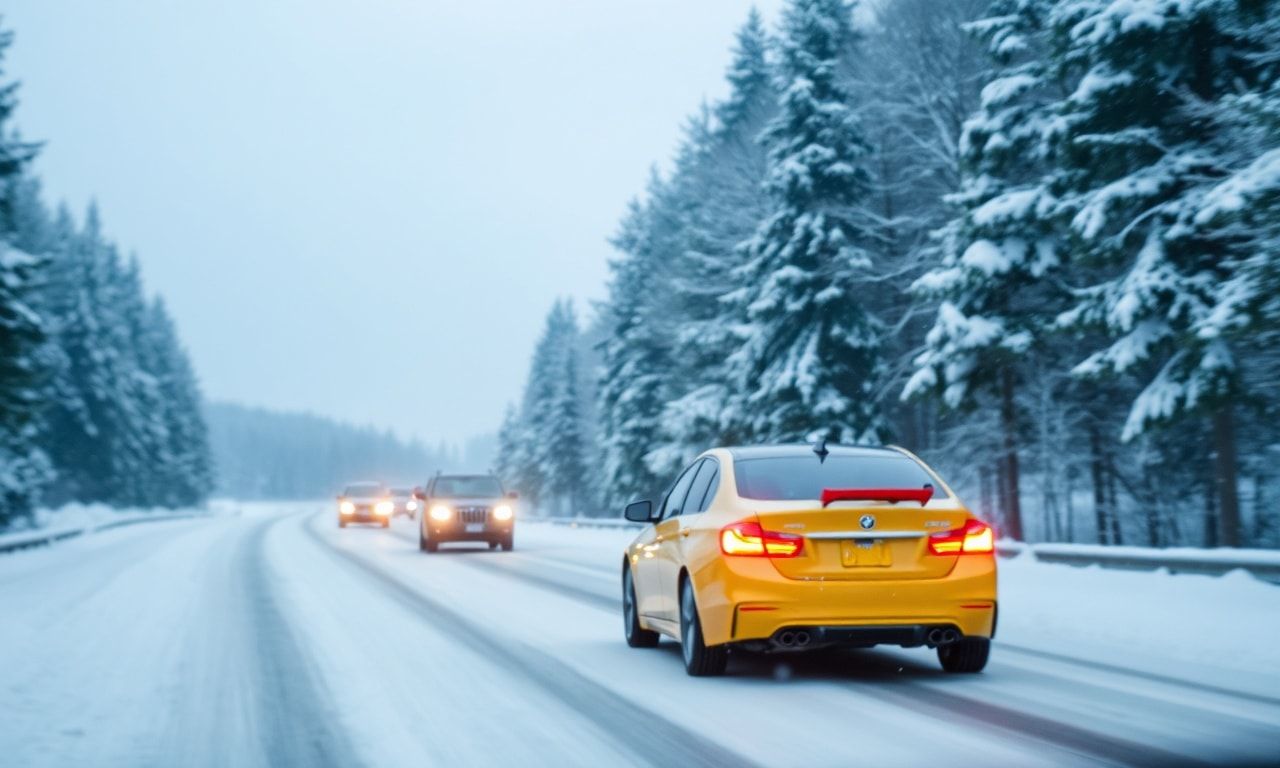
The Arrival of Winter and Its Impact on Road Safety
The arrival of winter brings with it a unique set of challenges for drivers. As temperatures drop and precipitation changes from rain to snow, road conditions can become treacherous. According to the Federal Highway Administration, nearly 17% of all vehicle crashes occur during winter conditions, highlighting the importance of preparedness and caution.
Understanding Winter Driving Risks
Winter driving presents several risks, including reduced visibility due to snowfall or fog, icy roads that can cause loss of traction, and longer stopping distances. Black ice, a thin, nearly invisible layer of ice, is particularly dangerous as it can form on roads even when temperatures are just below freezing. Additionally, cold temperatures can affect vehicle performance, making it crucial for drivers to ensure their cars are winter-ready.
To mitigate these risks, drivers should familiarize themselves with winter driving safety tips. Resources like the winter driving safety tips guide provide comprehensive advice on how to navigate winter roads safely. These guides often include information on vehicle maintenance, driving techniques, and emergency preparedness.
Preparing Your Vehicle for Winter
Before the winter season begins, it’s essential to prepare your vehicle for the challenges ahead. This includes checking your tires for adequate tread depth and considering winter tires, which are designed to provide better traction in cold and snowy conditions. Ensuring your battery is in good condition is also crucial, as cold temperatures can reduce its efficiency.
Other important checks include verifying that your brakes are functioning properly, topping off all fluids, and ensuring your heater and defroster are working. Keeping an emergency kit in your car, complete with items like a shovel, sand or cat litter for traction, a flashlight, blankets, and non-perishable food, can also be a lifesaver in case of breakdowns or accidents.
Adapting Your Driving Techniques
Driving in winter conditions requires adjustments to your usual techniques. Accelerate and decelerate slowly to maintain traction, and avoid sudden movements that can cause skidding. Increase your following distance to allow for longer stopping times, and be particularly cautious on bridges, overpasses, and shaded areas where black ice is more likely to form.
If you find yourself skidding, remember to stay calm and avoid slamming on the brakes. Instead, steer gently in the direction you want to go and ease off the accelerator. Practicing these techniques in a safe, controlled environment can help you react more effectively in an emergency situation.
Staying Informed and Planning Ahead
Staying informed about weather conditions and road closures is crucial during the winter months. Utilize resources like the National Weather Service and local news outlets to stay updated on forecasts and potential hazards. Planning your route in advance and allowing extra time for your journey can help you avoid stressful situations and ensure you arrive safely at your destination.
If severe weather is forecasted, consider postponing non-essential travel until conditions improve. If you must drive, inform someone of your route and expected arrival time, and keep your phone charged in case of emergencies. By taking these precautions, you can significantly reduce the risks associated with winter driving.
Community and Government Initiatives
Many communities and government agencies offer resources and programs to help drivers stay safe during the winter months. These initiatives may include free vehicle inspections, winter driving courses, and public awareness campaigns. Taking advantage of these resources can provide valuable knowledge and skills to enhance your winter driving safety.
Additionally, staying informed about local regulations and guidelines, such as mandatory winter tire requirements in certain regions, can help you avoid fines and ensure you are driving legally and safely. By working together, communities and drivers can create a safer environment for everyone on the road.
In the realm of sustainable development, Taiwan’s green transit solutions are making waves, offering a glimpse into the future of eco-friendly urban mobility.