

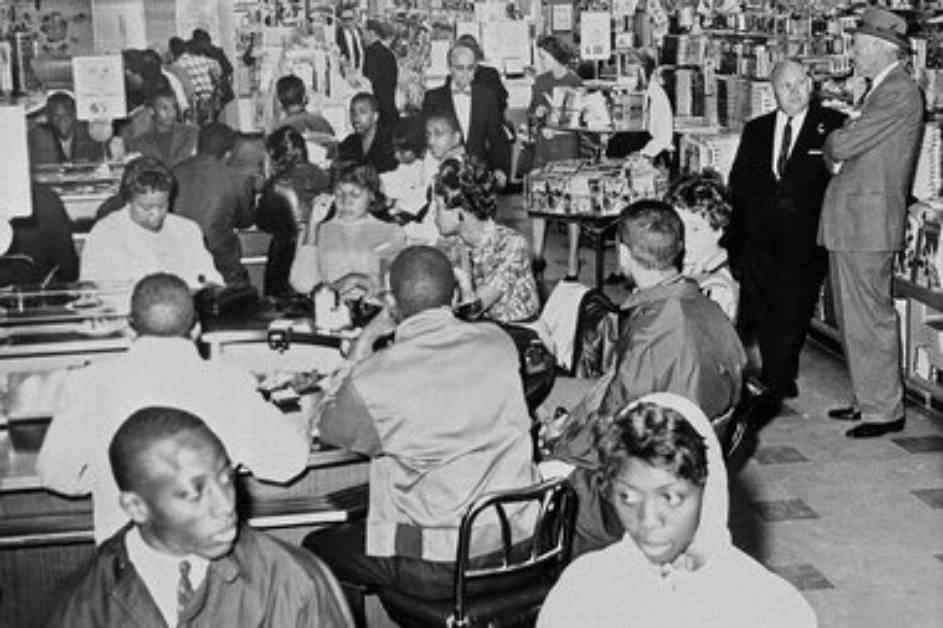
65 years have passed since the sit-in movement took root in Greensboro, North Carolina, when four courageous students from North Carolina A&T University defied segregation by sitting at a Woolworth’s lunch counter. Their act of civil disobedience was a radical departure from the social norms of the time, igniting a flame that fueled the Civil Rights Movement and sparked a wave of protests advocating for “Black Power.” Today, the founders of the Student Nonviolent Coordinating Committee (SNCC) are reflecting on the past and contemplating the challenges of the present.
A Cry for Justice
In a poignant statement, members of the SNCC Legacy Project (SLP) expressed alarm at the current state of affairs, noting that the echoes of past struggles are reverberating in today’s society. Courtland Cox, the chairman of SLP’s board of directors, is no stranger to the fight for justice. His journey as an activist began during his college years at Howard University and continued through pivotal moments like the Freedom Rides and the 1963 March on Washington. Cox’s dedication to the cause is deeply rooted in his DNA, shaped by the legacy of his forebears who fought for equality in the face of adversity.
Reflecting on the Past, Shaping the Future
The impact of the civil rights movement transcends racial boundaries, as evidenced by initiatives like “Gray Power” that emerged in the wake of SNCC’s activism. Maggie Kuhn’s creation of the Gray Panthers in 1970 marked a turning point in the fight against ageism, demonstrating the transformative power of collective action. Cox, now 84, is committed to passing the torch to the next generation, working alongside young activists who have been galvanized by recent events like the murder of Trayvon Martin. Together, they are building a digital platform to preserve the stories of past struggles and empower future changemakers.
Preserving History, Inspiring Change
Amidst challenges to Black history education and voter rights, SLP has taken proactive steps to educate and engage communities through initiatives like the “Freedom School” course. By sharing lived experiences and creating enduring curricula, Cox and his peers are ensuring that the legacy of the civil rights movement endures for generations to come. Their mission is not just about preserving the past; it is about shaping a future where justice, equality, and empowerment are fundamental rights for all.
As Courtland Cox aptly summarizes, “We’re gonna try to do those specific things to influence the next generation, both in terms of the community and the institution, so that whatever happens lives on past me.” The spirit of the sit-in movement lives on in the tireless efforts of activists like Cox, who continue to champion the cause of justice and equality in an ever-changing world.