

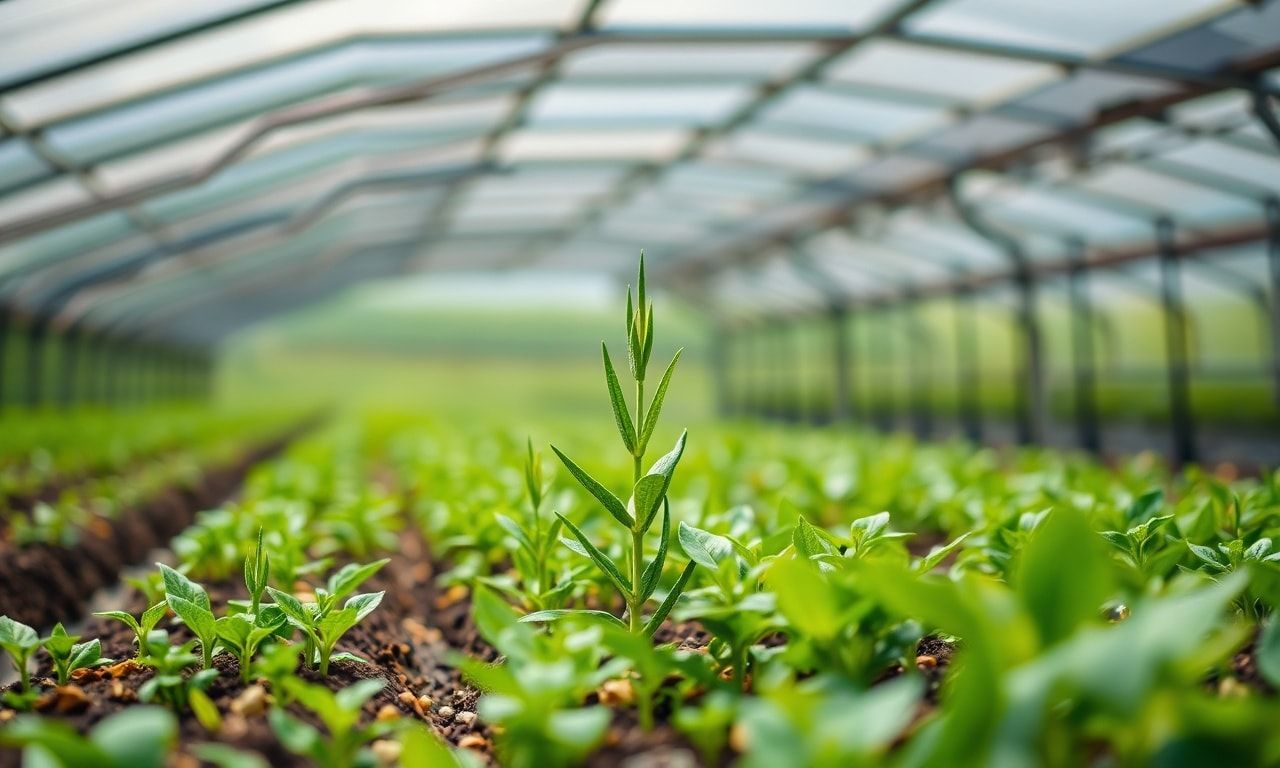
The State of Global Agriculture in 2023
The agricultural sector is undergoing significant transformations driven by technological advancements, climate change, and shifting global trade dynamics. As we navigate through 2023, it is crucial to understand the current trends and challenges facing the industry. This article provides a comprehensive overview of the global agricultural market, highlighting key developments and their implications for producers and consumers alike.
Technological Innovations in Agriculture
One of the most notable trends in agriculture is the rapid adoption of technological innovations. Precision farming, which involves the use of GPS technology, sensors, and data analytics, is revolutionizing the way farmers manage their crops. Drones and satellite imagery are being used to monitor crop health and optimize irrigation, while automated machinery is reducing the need for manual labor. These advancements are not only increasing productivity but also promoting sustainable farming practices.
Additionally, the integration of artificial intelligence (AI) and machine learning (ML) in agriculture is enabling farmers to make data-driven decisions. AI-powered tools can predict weather patterns, detect diseases in crops, and even optimize the use of fertilizers and pesticides. This technological leap is crucial for addressing the challenges posed by climate change and ensuring food security for a growing global population.
The Impact of Climate Change on Agriculture
Climate change is one of the most pressing issues facing the agricultural sector. Rising temperatures, erratic rainfall patterns, and extreme weather events are disrupting traditional farming practices and threatening crop yields. Farmers are increasingly adopting climate-smart agricultural practices to mitigate these impacts. These practices include crop diversification, soil conservation, and the use of drought-resistant crop varieties.
Governments and international organizations are also playing a crucial role in supporting farmers in their adaptation efforts. Initiatives such as the United Nations’ Climate-Smart Agriculture program are providing resources and training to help farmers implement sustainable practices. Furthermore, there is a growing emphasis on carbon farming, where agricultural practices are designed to sequester carbon in the soil, thereby reducing greenhouse gas emissions.
Global Trade Dynamics and Market Trends
The global agricultural market is influenced by a complex web of trade policies, economic conditions, and geopolitical factors. In recent years, trade tensions and disruptions in supply chains have had a significant impact on the market. The COVID-19 pandemic, for instance, highlighted the vulnerabilities in global food supply chains and underscored the need for greater resilience and diversification.
One of the key trends in the agricultural market is the increasing demand for organic and sustainably produced food. Consumers are becoming more conscious of the environmental and health impacts of their food choices, driving a shift towards organic farming practices. This trend is reflected in the growing number of certifications and labels that guarantee the sustainability and ethical production of agricultural products.
For those interested in the latest tarım ürünleri satış fiyatları güncel, it is essential to stay informed about market trends and price fluctuations. Understanding the dynamics of the agricultural market can help producers and consumers make informed decisions and navigate the complexities of global trade.
Challenges and Opportunities in the Agricultural Sector
Despite the numerous challenges facing the agricultural sector, there are also significant opportunities for growth and innovation. The increasing demand for food, driven by population growth and changing dietary patterns, presents a substantial market opportunity. Additionally, the growing interest in alternative proteins and plant-based foods is opening up new avenues for agricultural producers.
However, the sector also faces challenges such as land degradation, water scarcity, and the need for sustainable intensification. Addressing these challenges requires a multifaceted approach that combines technological innovation, policy support, and international cooperation. Investments in research and development, as well as education and training for farmers, are crucial for building a resilient and sustainable agricultural sector.
Conclusion
The global agricultural market is at a crossroads, shaped by technological advancements, climate change, and shifting trade dynamics. While the challenges are significant, the opportunities for innovation and growth are equally substantial. By embracing sustainable practices, leveraging technological advancements, and fostering international cooperation, the agricultural sector can navigate the complexities of the 21st century and ensure food security for future generations.
In the realm of agricultural innovation, a notable trend is emerging as reported in Türkiye’s growing tech investments.
In the realm of current agricultural advancements, our latest feature examines global farming innovations shaping the future of food production.
In the face of shifting market dynamics, local agricultural communities are finding innovative solutions to maintain productivity and profitability, as detailed in farmers adapting to market changes.