

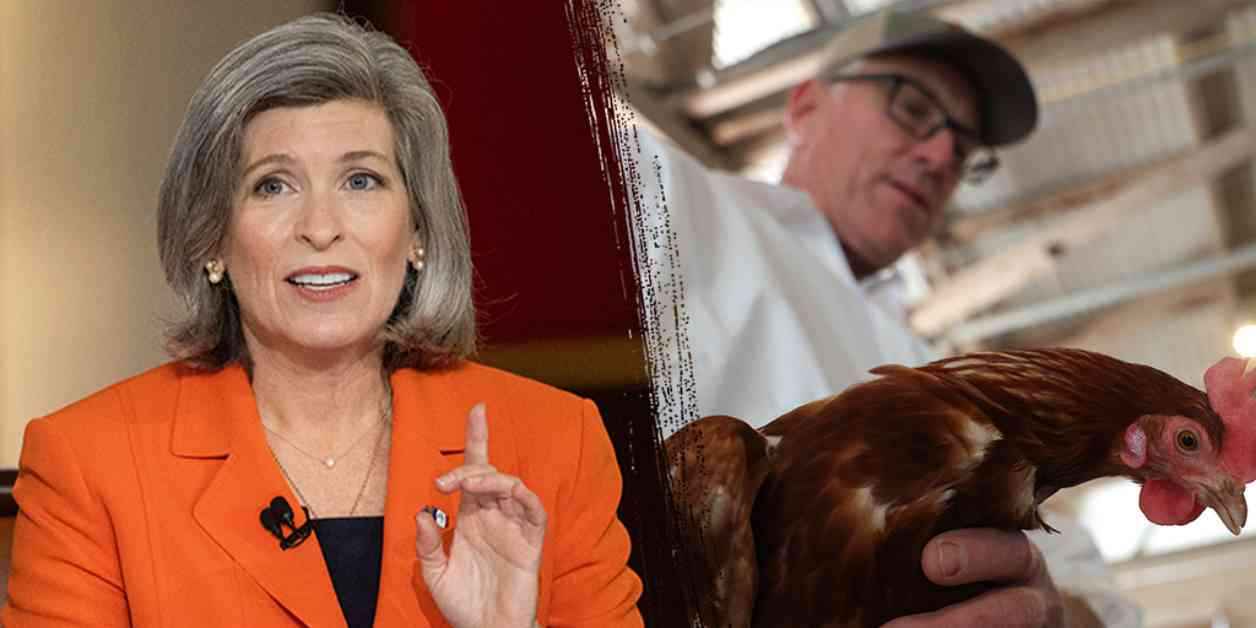
GOP Senator Joni Ernst recently penned a letter to Agriculture Secretary Brooke Rollins, urging immediate action to combat the devastating bird flu epidemic wreaking havoc on farms nationwide. In her letter, Ernst emphasized the urgency of enhancing the U.S. Department of Agriculture’s (USDA) response to the ongoing outbreak of highly pathogenic avian influenza (HPAI) that has plagued the animal agriculture sector for the past four years.
The United States has witnessed the mass depopulation of over 136 million birds on commercial poultry operations, along with a growing number of farm workers falling victim to the virus. Ernst highlighted the need for a more aggressive approach to tackle the evolving situation, echoing concerns raised by egg and turkey farmers.
Addressing the crisis, Ernst and her fellow senators proposed an aggressive vaccination strategy for hens and turkeys, stockpiling vaccines, and engaging with trading partners to ensure minimal trade disruptions. Additionally, they emphasized the importance of complying with a Biden-era order requiring biosecurity audits on infected farms, albeit with concerns about the rule’s rushed implementation.
One key area of concern outlined in the letter is the inadequacy of current indemnity rates for laying hens and pullets, which are based on outdated data, resulting in artificially low compensation for farmers. Ernst and her colleagues suggested revising the indemnity formulas using more accurate data sources to provide fairer compensation to affected producers.
The bipartisan letter, signed by senators from both parties, underscores the critical need to protect farmers, local economies, and the food supply chain from the devastating impacts of the avian flu outbreak. Ernst emphasized the importance of partnership with the Trump administration to identify viable solutions to stem the spread of the virus and support affected producers.
The severity of the bird flu outbreak has left the agricultural community reeling, with egg farmers experiencing significant losses in production and supply shortages. Brian Moscogiuri, Vice President of Eggs Unlimited, described the current situation as a disaster, with more than 120 million birds lost since the beginning of 2022, and a 13% decline in production. The virus has struck major egg-laying states, exacerbating the supply shortage crisis.
During her confirmation hearing, Secretary Rollins expressed a strong commitment to assembling a dedicated team to combat bird flu and other diseases. In response to Senator Ernst’s letter, the USDA confirmed that Rollins is prepared to collaborate with stakeholders to address the critical issue promptly. The Biden administration’s handling of the avian flu crisis came under scrutiny, with Rollins focused on implementing a comprehensive strategy to combat the virus and stabilize egg prices.
As the nation grapples with the unprecedented challenges posed by the bird flu outbreak, the collective efforts of policymakers, agricultural stakeholders, and government agencies are crucial in safeguarding the livelihoods of farmers and securing the food supply chain. The resolve to tackle this crisis head-on and mitigate its far-reaching impacts underscores the resilience and adaptability of the American agricultural sector.