

The United States is gearing up to host some of the most prestigious international sporting events in the coming years, including the 2025 Ryder Cup, 2026 FIFA World Cup, and the 2028 Olympic and Paralympic Games. However, a recent report from the U.S. Travel Association has raised concerns about the country’s ability to handle the influx of air travel that accompanies such major events.
According to the report released on Wednesday, the U.S. Travel Association emphasized the urgent need for modernization in the country’s air travel system to prevent it from buckling under the pressure of increased demand. Geoff Freeman, the president and CEO of the U.S. Travel Association, highlighted the critical need for immediate action to address issues such as outdated air traffic control technology and shortages of air traffic controllers.
“Without immediate action, our outdated air travel system will strain under the pressure,” Freeman stated. He stressed the importance of seizing the historic opportunity presented by these upcoming events to revamp the nation’s travel infrastructure and unlock a potential $100 billion economic opportunity.
Urgent Call for Action
The U.S. Travel Association has called on Congress, President Donald Trump, and his administration to prioritize improvements in the air travel system. The organization emphasized the necessity of showcasing the country at global events, ensuring expedited visas for the 2026 World Cup, and enhancing security screening processes and airport borders.
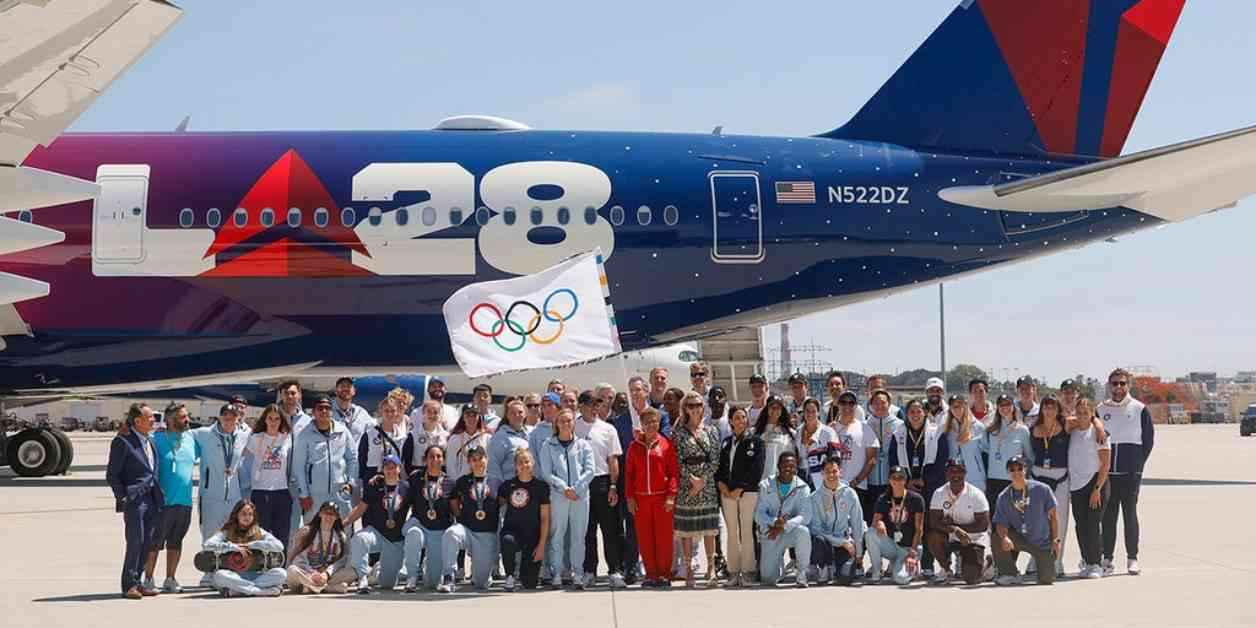
Mayor Karen Bass, a key figure in the Olympic preparations, was seen waving the Olympic flag at Los Angeles International Airport, symbolizing the significance of the upcoming events and the need for swift action in addressing the challenges in the U.S. travel system.
Seizing the Moment
As the nation stands on the brink of hosting major international sporting events, the U.S. Travel Association underscored the importance of delivering a world-class travel system that aligns with the expectations of both Americans and the global community. Freeman urged stakeholders to demonstrate a sense of urgency in addressing the critical travel pain points and ensuring a seamless travel experience for participants and spectators alike.
“This is the moment to deliver the world-class travel system Americans deserve – and the world expects,” Freeman emphasized. With a small window of opportunity to implement necessary reforms, the nation faces a pivotal juncture in its ability to accommodate the unprecedented travel demand that lies ahead.
In conclusion, the challenges in the U.S. travel system for major sporting events serve as a call to action for policymakers, industry leaders, and stakeholders to collaborate in modernizing the country’s air travel infrastructure. The stakes are high, but the potential economic gains and the opportunity to showcase the nation on the global stage make it a mission worth pursuing with utmost urgency. The time to act is now.