

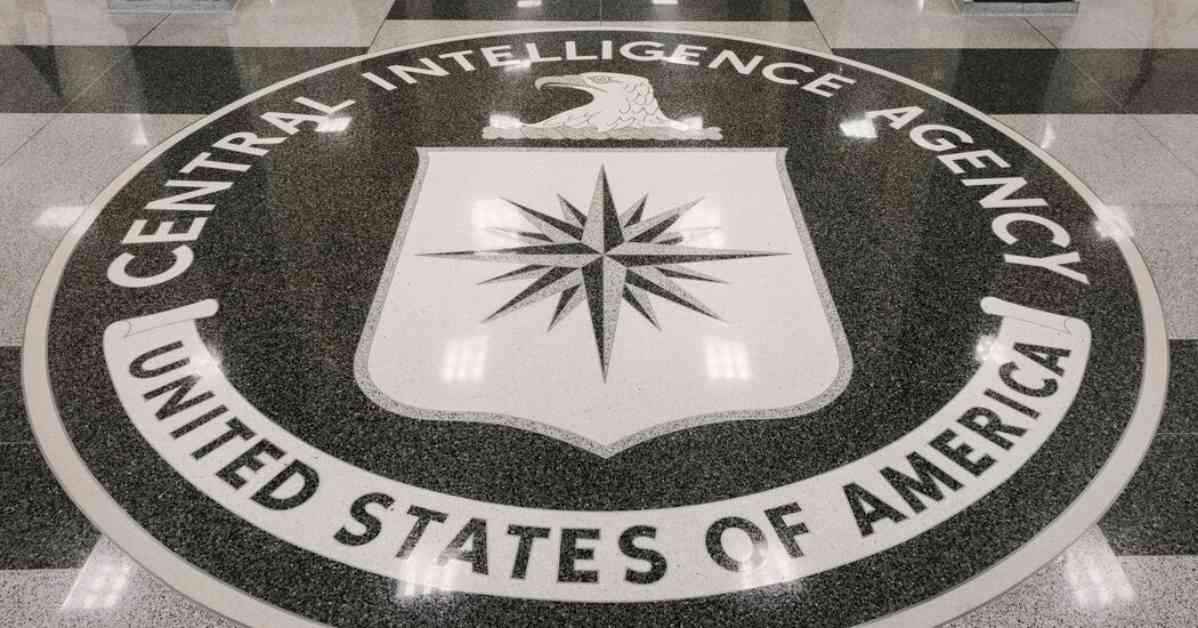
The Central Intelligence Agency (C.I.A.) is currently embroiled in what could potentially be the largest mass firing in its history. Former officials have revealed that the agency is in the process of dismissing an unspecified number of officers who were tasked with handling recruiting and diversity initiatives. This unprecedented move is a result of the agency’s efforts to align with the directives of an executive order that prohibits federal workforce diversity initiatives. The C.I.A.’s actions have sparked controversy and legal challenges, raising questions about the implications of such a massive dismissal.
Unprecedented Purge Amid Diversity Controversy
The recent developments at the C.I.A. have sent shockwaves through the intelligence community. The agency’s decision to target officers involved in recruiting and diversity efforts has ignited a heated debate about the importance of diversity and inclusion within the federal government. This move comes at a time when enhancing diversity was a key priority for William J. Burns, the former C.I.A. director. The abrupt dismissal of these officers has left many in the intelligence community reeling, prompting concerns about the future of diversity initiatives within the agency.
Former President Trump’s executive order banning federal workforce diversity efforts has set the stage for the current turmoil at the C.I.A. The agency’s compliance with this order has led to the mass firings of officers working on recruiting and diversity, with far-reaching consequences for the organization. The implications of this move extend beyond the agency itself, raising broader questions about the role of diversity in national security and intelligence operations.
Historical Context and Legal Challenges
The C.I.A.’s decision to dismiss officers involved in diversity and recruiting efforts marks a significant departure from past practices. While presidential administrations often introduce policy changes at the agency, it is rare for career officers to be fired for carrying out the priorities of previous administrations. The comparison to past actions, such as President Obama’s handling of the C.I.A. interrogation program, highlights the unprecedented nature of the current situation.
The last time the C.I.A. conducted a large-scale firing was in 1977 under President Jimmy Carter, who ordered the agency to shift away from covert operations. The careful approach taken during that downsizing, which spared some officers close to retirement, stands in stark contrast to the current situation. Legal challenges, such as the lawsuit filed by 21 intelligence officers to halt the firings, underscore the complexity and controversy surrounding the C.I.A.’s actions.
As the agency faces scrutiny and legal battles over the mass firings, the future of diversity and recruiting efforts within the C.I.A. remains uncertain. The outcome of the legal proceedings and the broader implications of this unprecedented purge will have far-reaching effects on the agency and the intelligence community as a whole. Stay tuned as this story continues to unfold, shaping the course of the C.I.A.’s operations and priorities for years to come.