

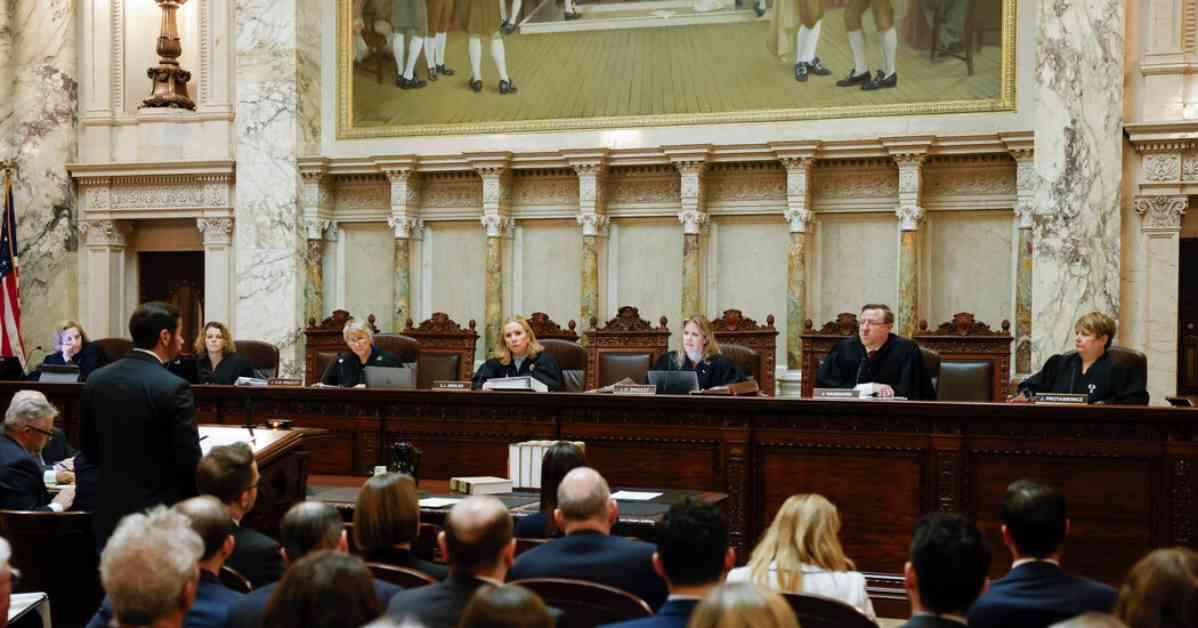
In a recent Wisconsin Supreme Court race, a shift in financial dynamics has caught the attention of many. Two years ago, Democratic funding propelled a liberal jurist to victory, altering the state’s high court’s composition. Fast forward to the present, wealthy Republican donors, including Elon Musk, are injecting funds into the race, tipping the scales in their favor. This battle for the judiciary’s control is crucial, as the winning side will secure a four-to-three majority on the state high court, influencing critical decisions that lie ahead.
### The Political Funding Game: A Swing of Power
The last Wisconsin Supreme Court election stirred controversy as out-of-state Democratic funds flooded in, paving the way for a liberal victory. Now, the tables have turned, with Republicans facing a surge of external financial support. Notably, a super PAC backed by Elon Musk has recently unleashed a $2.3 million campaign blitz, utilizing text messages, digital ads, and paid canvassers to rally Wisconsin Republicans for the forthcoming April 1 election. The showdown features Brad Schimel, a judge from Waukesha County and former Republican state attorney general, against Susan Crawford, a Dane County judge with a background in advocating for progressive causes like Planned Parenthood.
The injection of funds from Mr. Musk, a prominent tech billionaire spearheading initiatives under the Trump administration, marks a pivotal moment in the race. Judge Schimel and his Republican allies have ramped up their television ad spending, eclipsing the efforts of Judge Crawford and the Democratic camp. This stark reversal of financial fortunes in Wisconsin, where Democrats historically held the upper hand, has set the stage for an intense showdown. Judge Crawford, reflecting on her journey from a small town upbringing in Chippewa Falls to challenging the world’s wealthiest individual, encapsulates the David versus Goliath narrative that has unfolded in this high-stakes race.
### The Financial Battle for Airtime: Republican Resurgence
As of the latest data, Republicans have seized the initiative by investing or reserving $13.9 million in television advertising slots for the Wisconsin court contest. In contrast, Democrats have allocated $10.7 million for their campaign efforts, reflecting a narrowing of the financial gap. The influx of super PAC funds into the Republican coffers has not only leveled the playing field but also curtailed the financial advantage that Democrats enjoyed in the previous election cycle. The ad spending spree has resulted in a near equilibrium in terms of airtime, showcasing the intense competition for voter attention in the lead-up to the crucial judicial decision.
The battle for financial supremacy in the Wisconsin Supreme Court race underscores the pivotal role that external funding plays in shaping the outcomes of key political contests. As the race intensifies, the clash between ideological forces, financial backers, and judicial candidates is poised to captivate audiences and shape the future landscape of Wisconsin’s legal system. Stay tuned as the drama unfolds, revealing the intricate interplay between money, power, and influence in the realm of state judiciary elections.