

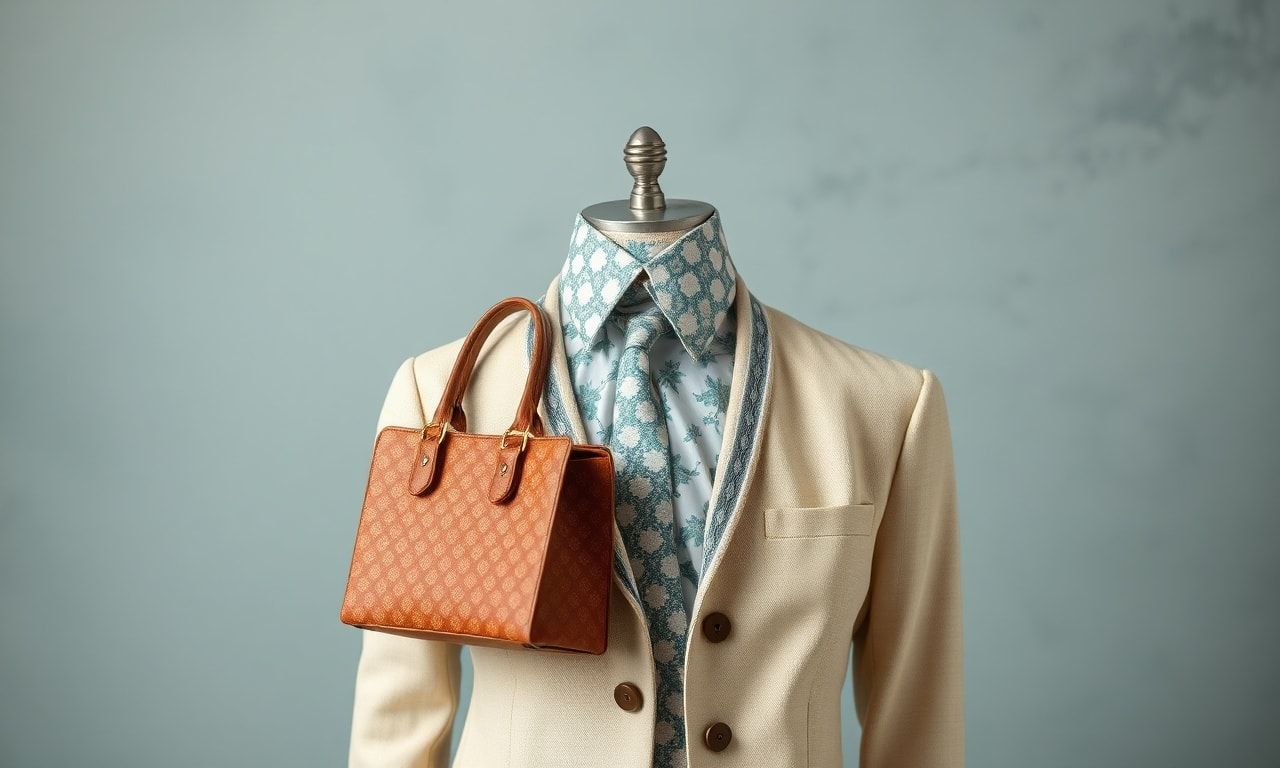
The Resurgence of Vintage Fashion
The fashion industry is witnessing a significant shift towards sustainability and individuality, with vintage fashion leading the charge. This resurgence is not just a fleeting trend but a movement that emphasizes the importance of reducing waste and celebrating unique styles. As consumers become more environmentally conscious, the demand for vintage clothing has surged, reflecting a broader cultural shift towards sustainability and ethical consumption.
The Environmental Impact of Fast Fashion
The fast fashion industry has long been criticized for its environmental impact, including excessive water usage, pollution, and textile waste. According to a report by the Ellen MacArthur Foundation, the fashion industry produces about 92 million tons of waste annually, with a significant portion ending up in landfills. In contrast, vintage fashion promotes the reuse and recycling of clothing, significantly reducing the environmental footprint. By choosing vintage, consumers are actively participating in a more sustainable fashion ecosystem.
The Economic Benefits of Vintage Shopping
Beyond the environmental benefits, vintage shopping offers economic advantages. Thrift stores, consignment shops, and online marketplaces provide affordable alternatives to high-end retail. This accessibility allows fashion enthusiasts to build diverse wardrobes without breaking the bank. Additionally, supporting local vintage stores and online platforms contributes to the growth of small businesses and independent sellers, fostering a more inclusive and diverse fashion economy.
For those looking to dive into the world of vintage fashion, resources like the vintage fashion shopping guide offer valuable insights and tips on finding unique pieces and styling them effectively. These guides are essential for both beginners and seasoned vintage shoppers, providing a roadmap to navigate the vast and exciting landscape of second-hand fashion.
The Cultural Significance of Vintage Fashion
Vintage fashion is more than just clothing; it is a reflection of cultural history and personal expression. Each piece tells a story, offering a glimpse into the past and the evolution of fashion trends. From the bold patterns of the 1960s to the minimalist designs of the 1990s, vintage clothing allows wearers to connect with different eras and express their individuality. This cultural significance adds depth to the fashion choices, making vintage shopping a meaningful and enriching experience.
How to Incorporate Vintage Pieces into Modern Wardrobes
Incorporating vintage pieces into a modern wardrobe can be a fun and creative process. Here are some tips to help you blend vintage and contemporary styles seamlessly:
- Start Small: Begin with accessories like scarves, hats, or jewelry. These items are easier to integrate and can add a touch of vintage charm to any outfit.
- Mix and Match: Pair vintage tops with modern bottoms or vice versa. This balance creates a harmonious look that is both stylish and unique.
- Experiment with Layers: Layering vintage pieces with contemporary clothing can create interesting textures and depths. For example, a vintage blazer over a modern dress can add a sophisticated touch.
- Accessories Matter: Use vintage accessories to elevate your outfits. A vintage handbag or a pair of vintage sunglasses can instantly transform a modern ensemble.
The Future of Vintage Fashion
The future of vintage fashion looks promising, with an increasing number of consumers embracing sustainable and ethical fashion practices. As awareness about the environmental impact of fast fashion grows, the demand for vintage clothing is expected to rise. This trend is not only beneficial for the planet but also for the fashion industry, as it encourages innovation and creativity in sustainable design.
Moreover, the rise of social media and online marketplaces has made vintage shopping more accessible than ever. Platforms like Etsy, Depop, and Poshmark provide a global marketplace for vintage enthusiasts to buy and sell unique pieces. This digital revolution has democratized vintage fashion, making it easier for people worldwide to participate in the movement.
Conclusion
The resurgence of vintage fashion is a testament to the growing awareness and commitment to sustainability and individuality. By choosing vintage, consumers are making a positive impact on the environment, supporting small businesses, and expressing their unique styles. As the fashion industry continues to evolve, vintage fashion will undoubtedly play a crucial role in shaping a more sustainable and inclusive future.
As royal weddings continue to captivate global audiences, our latest feature examines centuries of tradition and how these grand events reflect societal shifts.
As journalism faces increasing scrutiny, a new article discusses how to restore trust in news and the future of the industry.
In light of recent discussions on media integrity, consider exploring journalism’s current challenges and solutions for a critical perspective on the state of news.