

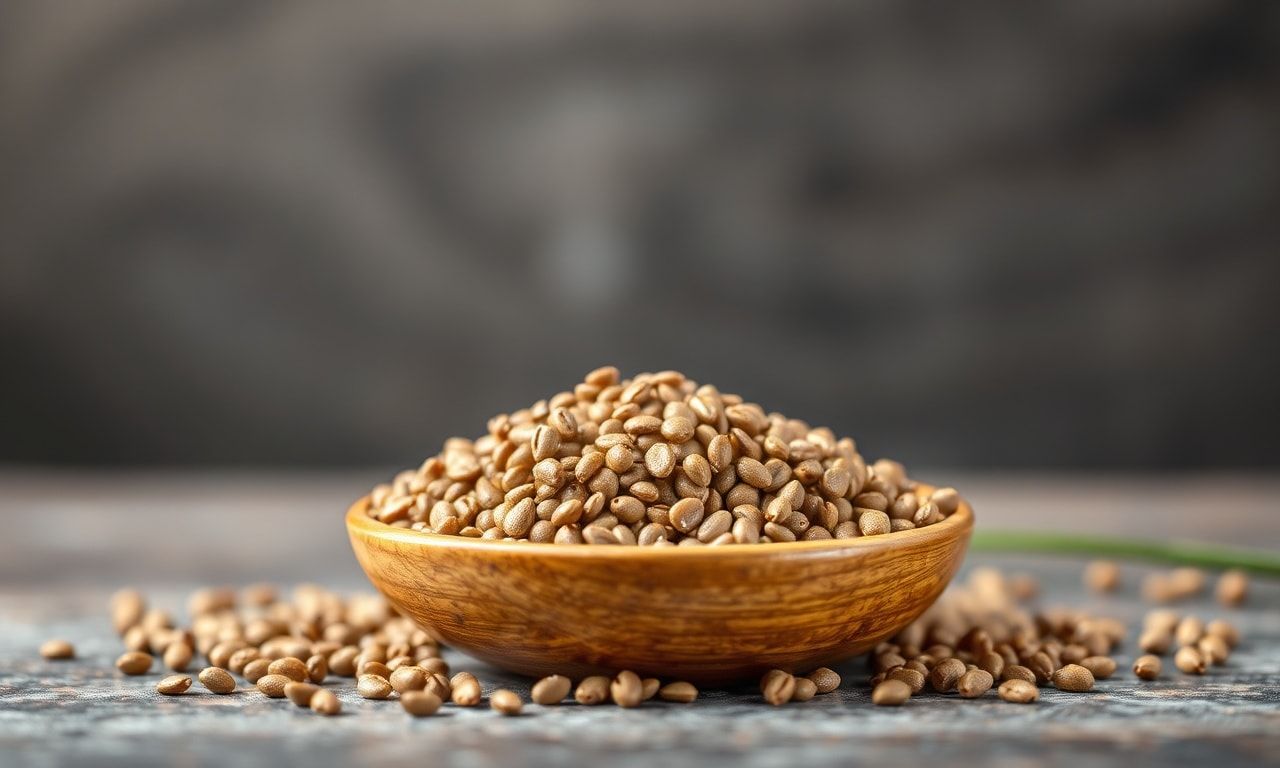
The Global Rise of Chia Seeds: Benefits, Risks, and Market Trends
The humble chia seed, once a staple in ancient Aztec diets, has experienced a meteoric rise in global popularity over the past decade. This tiny powerhouse, packed with nutrients, has found its way into everything from smoothies to energy bars, and its market value is soaring. But what exactly is driving this trend, and what should consumers know about the potential chia seeds side effects and benefits?
The Nutritional Powerhouse
Chia seeds are renowned for their impressive nutritional profile. They are an excellent source of omega-3 fatty acids, fiber, protein, and various essential minerals like calcium, magnesium, and phosphorus. These tiny seeds are also rich in antioxidants, which help combat oxidative stress and inflammation in the body. Their high fiber content promotes digestive health and can aid in weight management by keeping you feeling fuller for longer.
Market Trends and Global Demand
The global chia seed market has been on an upward trajectory, driven by increasing health consciousness and the growing demand for plant-based foods. According to recent market reports, the chia seed market is projected to reach a value of over $1.5 billion by 2025, growing at a compound annual growth rate (CAGR) of around 20%. This growth is fueled by several factors:
- Health and Wellness Trends: As more people become aware of the health benefits of chia seeds, their demand in health food stores and supermarkets continues to rise.
- Innovative Product Development: Food manufacturers are incorporating chia seeds into a wide range of products, from baked goods to beverages, making them more accessible to consumers.
- Sustainability and Plant-Based Diets: The shift towards sustainable and plant-based diets has also contributed to the popularity of chia seeds, as they are a versatile and nutritious addition to vegan and vegetarian diets.
Potential Health Benefits
Chia seeds offer a myriad of health benefits that have captured the attention of health enthusiasts and nutritionists alike. Some of the key benefits include:
- Heart Health: The high content of omega-3 fatty acids in chia seeds can help reduce inflammation and lower the risk of heart disease.
- Digestive Health: The soluble and insoluble fiber in chia seeds supports a healthy digestive system and can alleviate constipation.
- Blood Sugar Control: The fiber and protein in chia seeds can help stabilize blood sugar levels, making them beneficial for people with diabetes.
- Bone Health: Chia seeds are rich in calcium, magnesium, and phosphorus, which are essential for maintaining strong bones and preventing osteoporosis.
- Weight Management: The high fiber and protein content in chia seeds can help control appetite and promote weight loss.
Potential Risks and Considerations
While chia seeds are generally safe for most people, there are some potential risks and considerations to be aware of. It’s important to consume them in moderation and be mindful of any adverse reactions. Some of the potential chia seeds side effects include:
- Digestive Issues: Consuming large amounts of chia seeds can cause bloating, gas, and abdominal discomfort due to their high fiber content.
- Allergic Reactions: Although rare, some people may experience allergic reactions to chia seeds, which can manifest as hives, itching, or swelling.
- Blood Thinning: Chia seeds have blood-thinning properties due to their omega-3 fatty acid content. Individuals taking blood-thinning medications should consult their healthcare provider before consuming chia seeds.
- Low Blood Pressure: The high fiber content in chia seeds can help lower blood pressure, which may be a concern for individuals with already low blood pressure.
Innovative Uses and Culinary Trends
The versatility of chia seeds has led to their incorporation into a wide range of culinary creations. Beyond sprinkling them on yogurt or adding them to smoothies, chia seeds are being used in innovative ways:
- Chia Pudding: A popular breakfast option, chia pudding is made by soaking chia seeds in milk or a dairy-free alternative, allowing them to form a gel-like consistency.
- Baking: Chia seeds can be used as an egg substitute in baking, making them a valuable ingredient for vegan and gluten-free recipes.
- Energy Bars and Snacks: Many energy bars and snacks now include chia seeds as a key ingredient, providing a nutritious and energy-boosting option for on-the-go consumers.
- Beverages: Chia seeds are being added to beverages like lemonade, iced tea, and even cocktails, adding a nutritional boost and a unique texture.
Conclusion
The global rise of chia seeds is a testament to their nutritional value and versatility. As more people become aware of the health benefits and innovative uses of chia seeds, their popularity is likely to continue growing. However, it’s essential to be mindful of potential chia seeds side effects and consume them in moderation. Whether you’re a health enthusiast, a food manufacturer, or simply someone looking to add more nutrients to your diet, chia seeds offer a valuable and delicious option.
In the realm of health innovation, a new report explores AI’s role in dietary analysis, highlighting the latest developments in nutrition technology.
In the realm of health and wellness, a tiny seed is making waves; explore chia seeds’ remarkable benefits in our latest feature.
In the realm of health and wellness trends, a recent article delves into the surge of chia seeds as a nutritional powerhouse.
As technology continues to reshape our lives, a new report delves into the future of health tech and its impact on wellness.
As health trends continue to shape consumer behavior, brands are finding innovative ways to align with wellness values; explore how marketing is evolving in this dynamic landscape.