

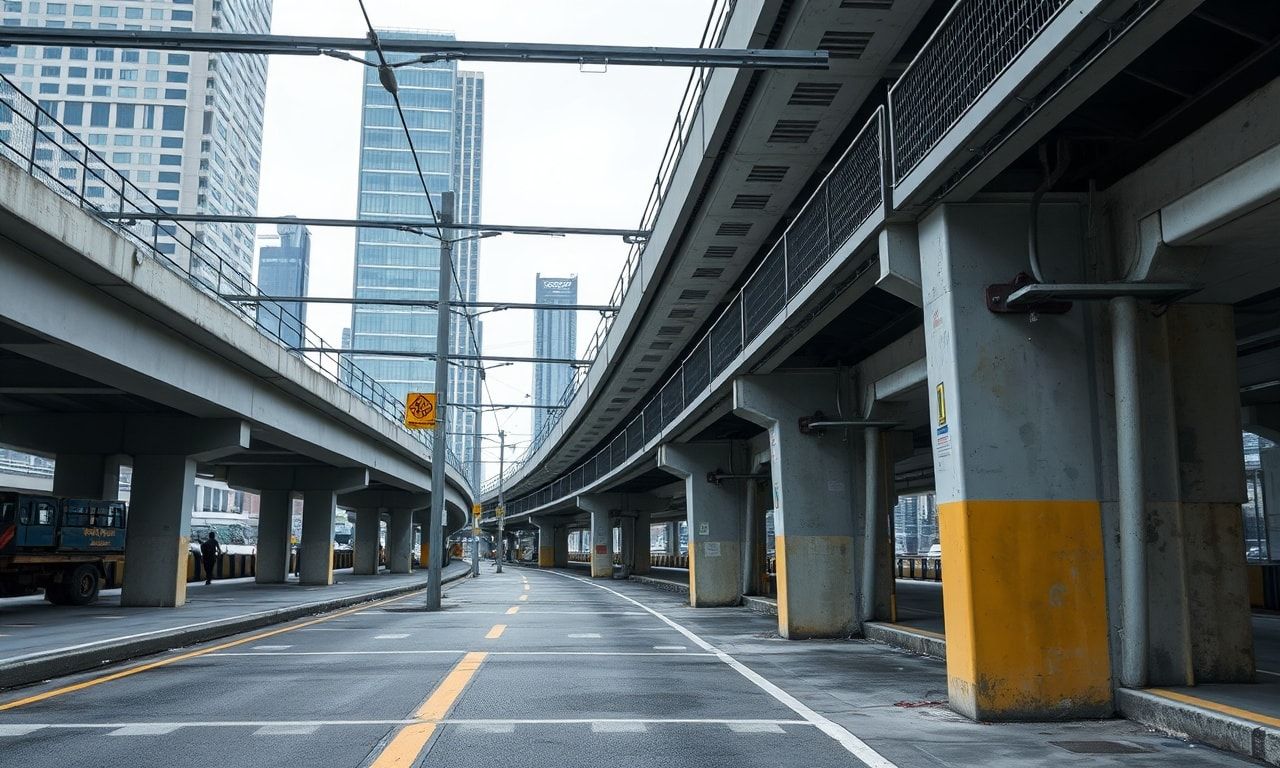
The Importance of Urban Infrastructure
Urban infrastructure forms the backbone of modern cities, facilitating the smooth operation of daily life. From transportation systems to public utilities, the maintenance and repair of these structures are crucial for ensuring safety, efficiency, and sustainability. As cities continue to grow and evolve, the demand for innovative solutions in infrastructure management becomes increasingly apparent.
The Role of Advanced Technologies in Maintenance
Technological advancements have revolutionized the way urban infrastructure is maintained and repaired. Drones, for instance, are now commonly used for inspecting hard-to-reach areas such as bridges and tall buildings. These unmanned aerial vehicles provide high-resolution images and data, enabling engineers to identify potential issues before they escalate. Additionally, the use of sensors and IoT (Internet of Things) devices allows for real-time monitoring of infrastructure conditions, ensuring timely interventions.
Another significant development is the integration of artificial intelligence (AI) and machine learning algorithms. These technologies can analyze vast amounts of data to predict maintenance needs and optimize repair schedules. By leveraging AI, city planners can allocate resources more effectively, reducing costs and minimizing disruptions to public services.
The Impact of Climate Change on Infrastructure
Climate change poses a significant challenge to urban infrastructure. Extreme weather events, such as floods, hurricanes, and heatwaves, can cause substantial damage to roads, bridges, and public utilities. As a result, cities must adopt more resilient and adaptive strategies for maintenance and repair. This includes using durable materials, improving drainage systems, and implementing green infrastructure solutions like permeable pavements and green roofs.
Furthermore, the increasing frequency of extreme weather events underscores the need for proactive maintenance. Regular inspections and preventive measures can help mitigate the impact of climate-related damage, ensuring the longevity of urban infrastructure. Cities must also invest in climate-resilient design and construction practices to withstand the challenges posed by a changing climate.
Innovative Solutions for Urban Infrastructure Maintenance
Innovative solutions are emerging to address the complexities of urban infrastructure maintenance. For example, the use of autonomous vehicles for road maintenance can improve efficiency and reduce labor costs. These vehicles can perform tasks such as pothole detection and repair, ensuring smoother and safer roads for commuters.
Another promising development is the use of 3D printing technology for repairing and replacing infrastructure components. This technology allows for the rapid production of custom parts, reducing downtime and costs. Additionally, the use of recycled materials in construction and maintenance not only promotes sustainability but also contributes to the circular economy.
For those interested in the latest advancements in infrastructure maintenance and repair, exploring resources like kampalanları bakım ve onarım yeni modelleri can provide valuable insights into new models and technologies. These resources offer a comprehensive overview of the tools and techniques that are shaping the future of urban infrastructure.
The Future of Urban Infrastructure
The future of urban infrastructure lies in the integration of smart technologies and sustainable practices. Smart cities, equipped with advanced sensors and data analytics, can optimize resource allocation and improve the quality of life for residents. The adoption of renewable energy sources, such as solar and wind power, can also reduce the environmental impact of urban infrastructure.
Moreover, the collaboration between government agencies, private sector companies, and academic institutions is crucial for driving innovation in infrastructure maintenance. By fostering partnerships and sharing knowledge, cities can develop more effective strategies for addressing the challenges of urban growth and climate change.
In conclusion, the maintenance and repair of urban infrastructure are essential for ensuring the safety, efficiency, and sustainability of modern cities. By embracing advanced technologies and innovative solutions, cities can build resilient and adaptive infrastructure that meets the needs of a growing population and a changing climate.
In a show of community spirit, residents of Las Vegas have united to revive a significant piece of their city’s history, as detailed in restoration efforts for historic sites.
As industries evolve, so do their maintenance needs; delve into the critical role of clamps with our industrial equipment maintenance guide.
As fashion trends continue to evolve, elevate your look with accessories offers a timely exploration of how hair adornments are making a statement in today’s style landscape.